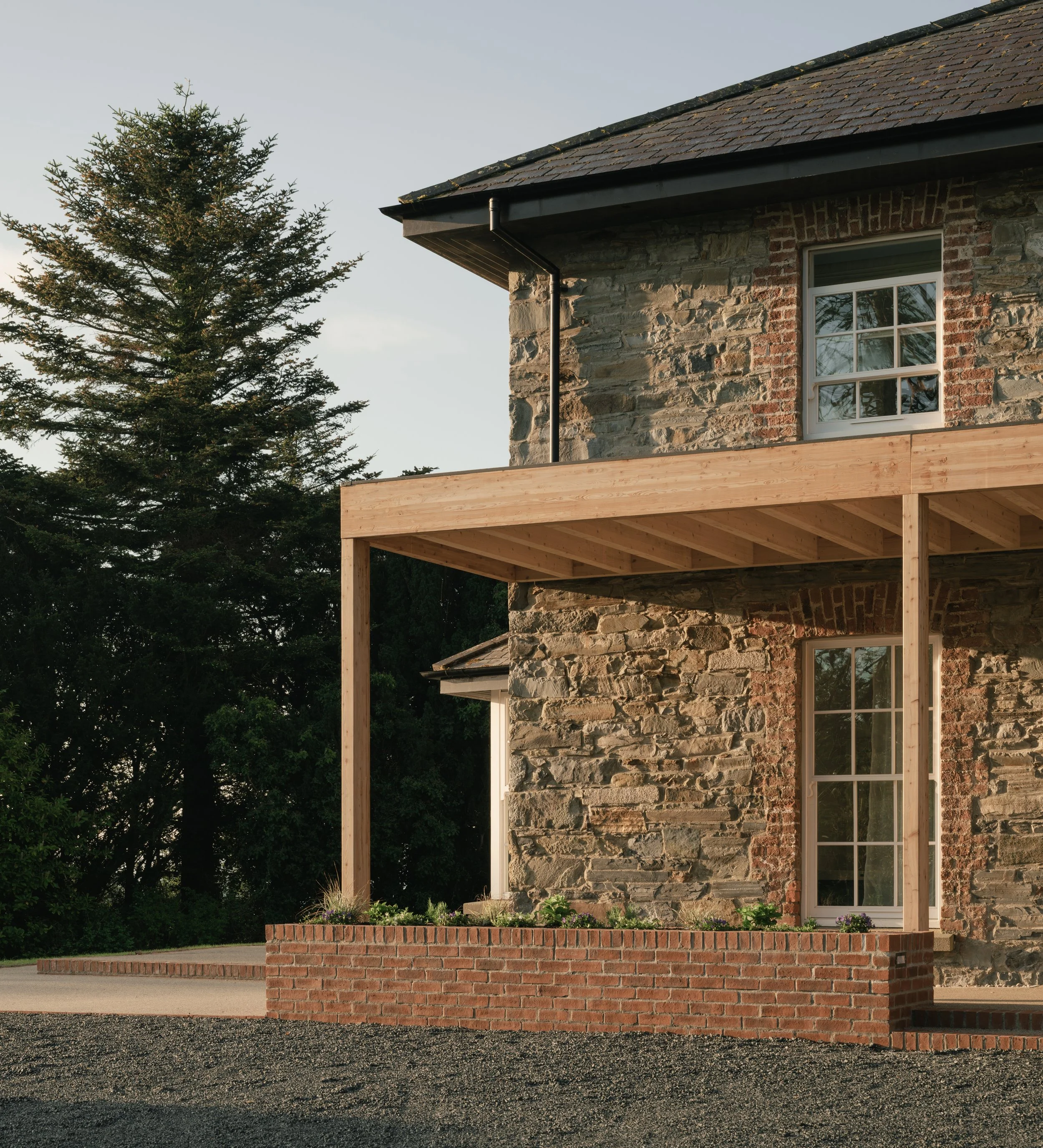
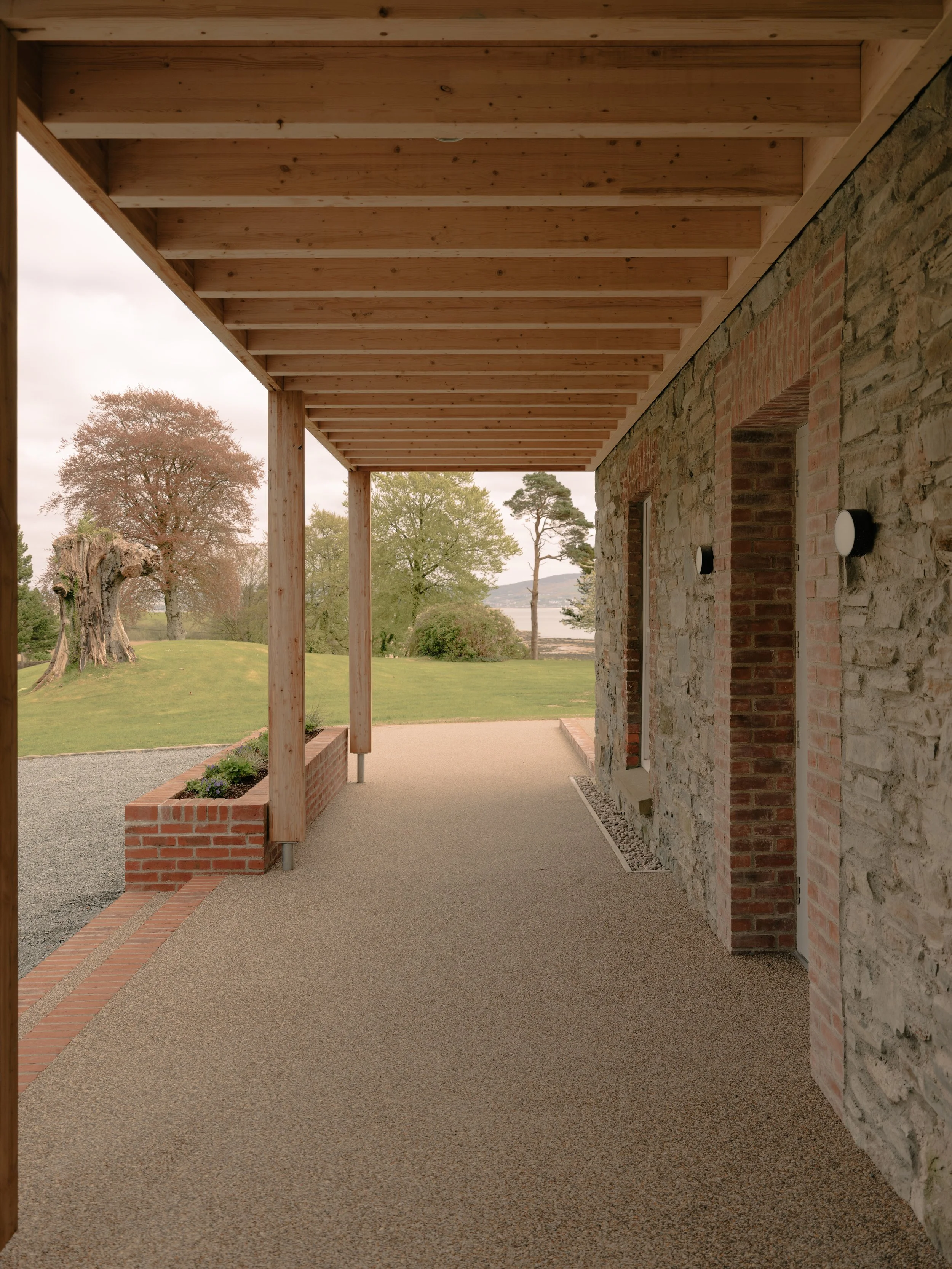
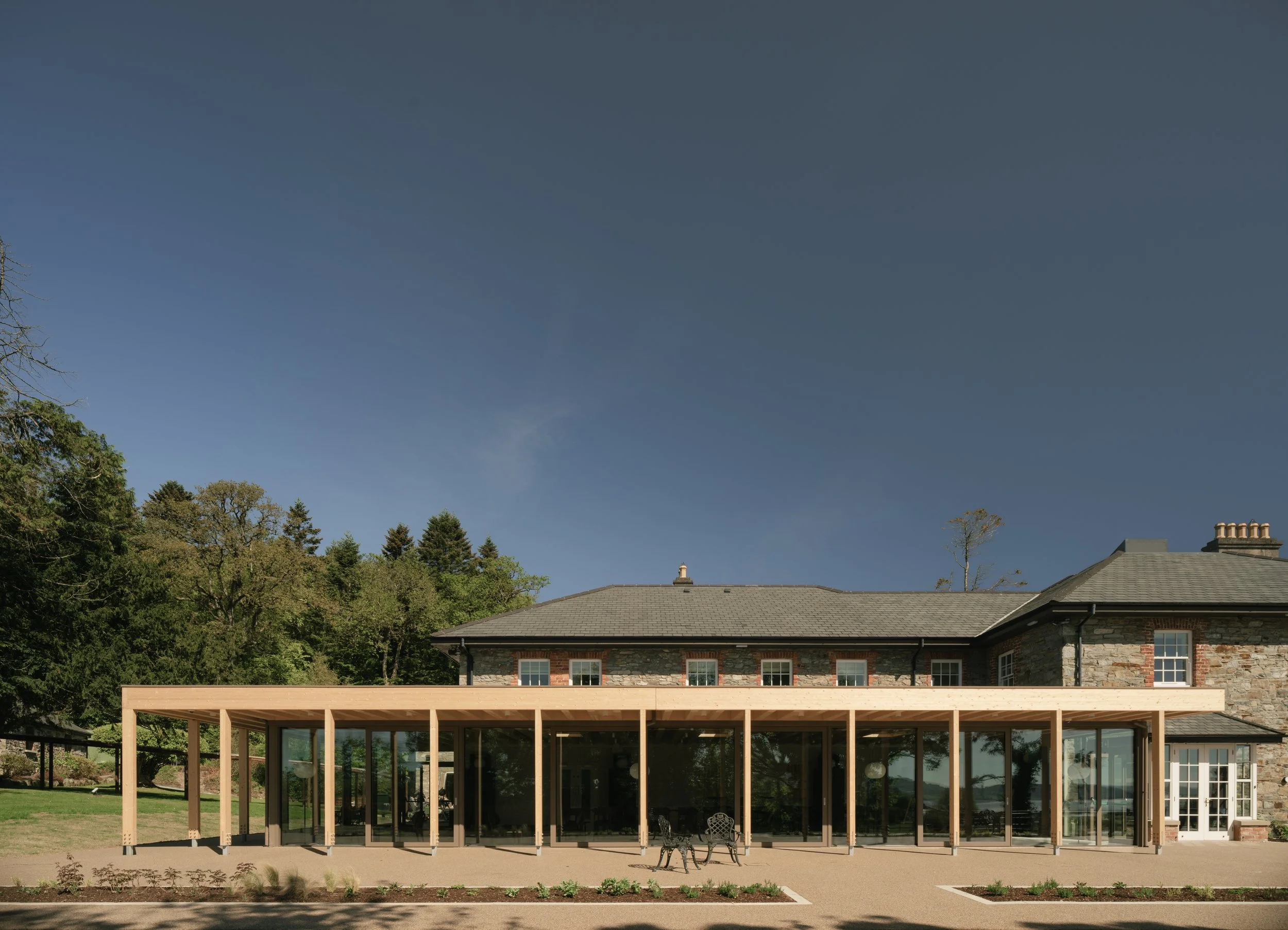
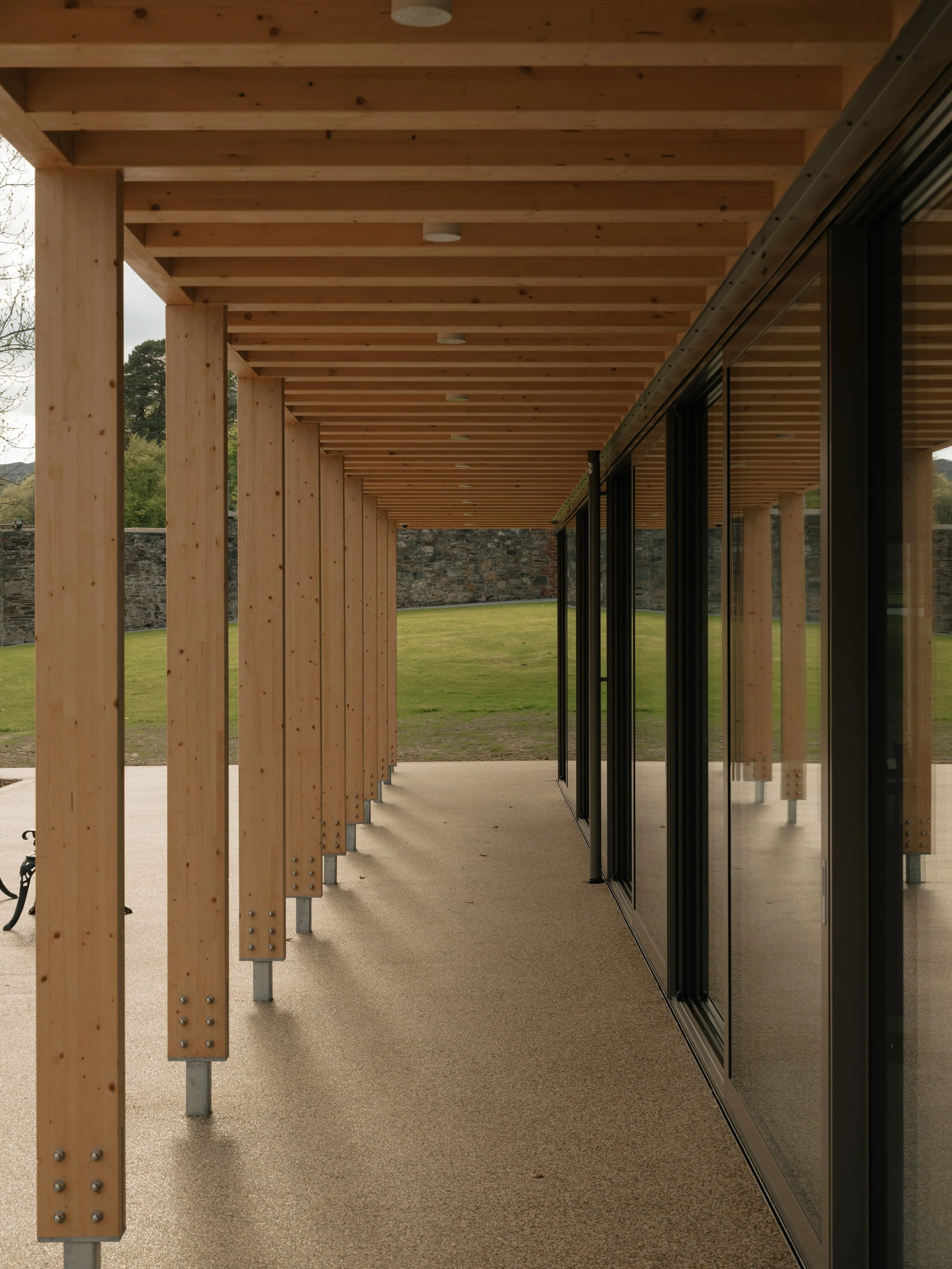
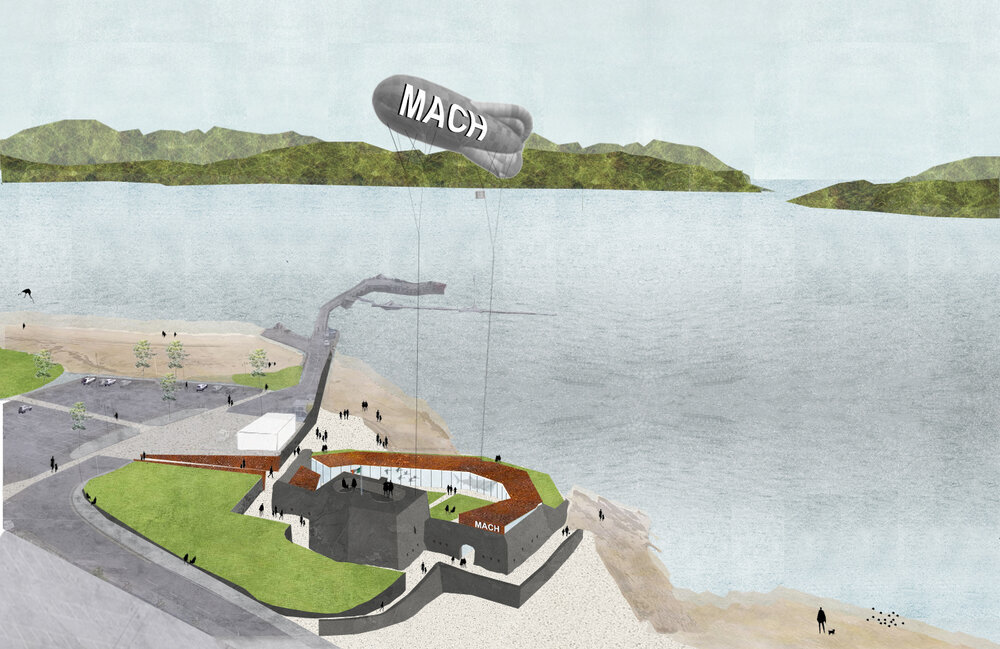
Architect: Pasparakis Friel
Client: Le Vertendre
Location: Dungloe, County Donegal, Ireland
Project type: Urban Regeneration & Placemaking
Stage: Part 8 Planning Granted
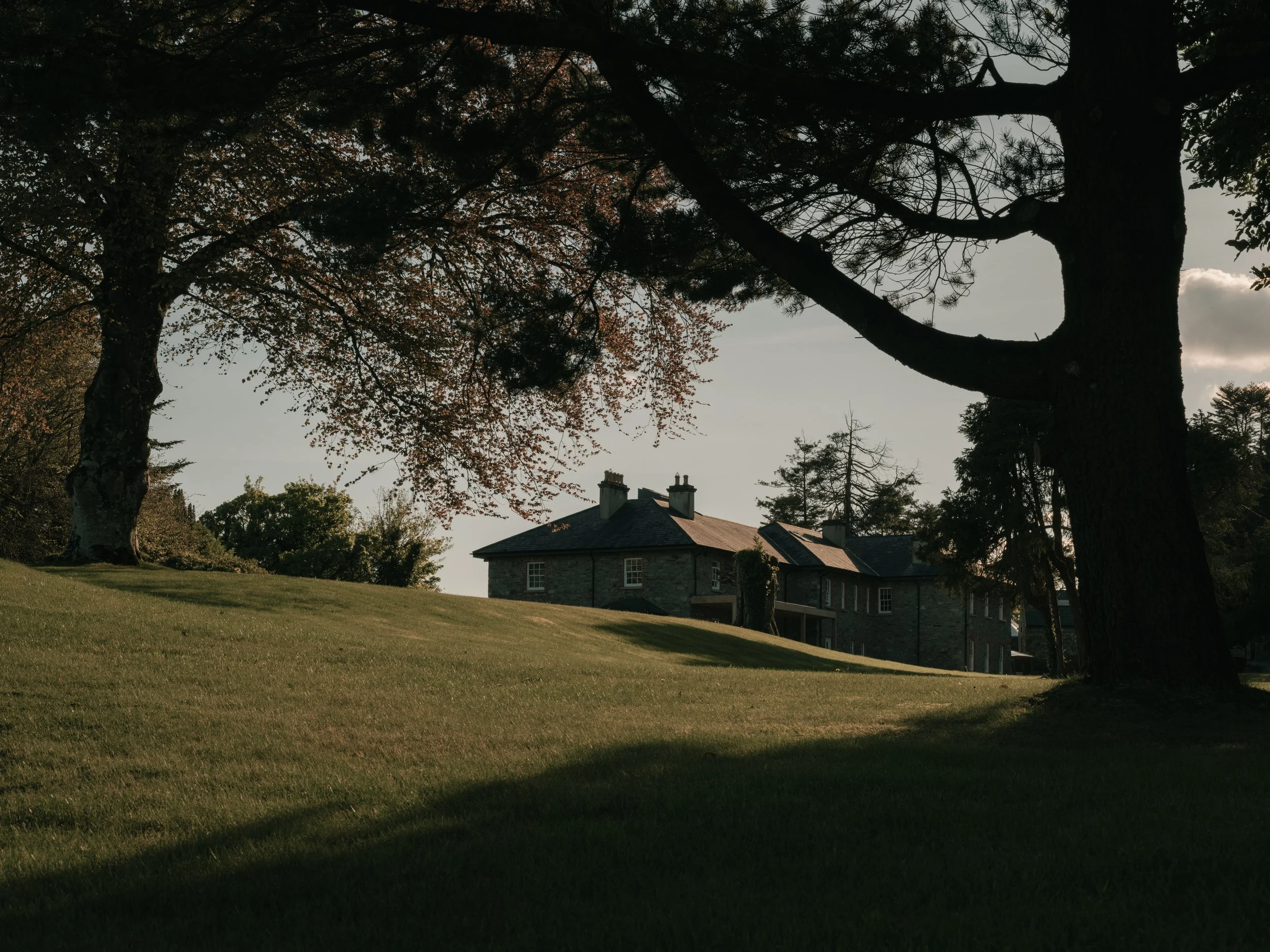
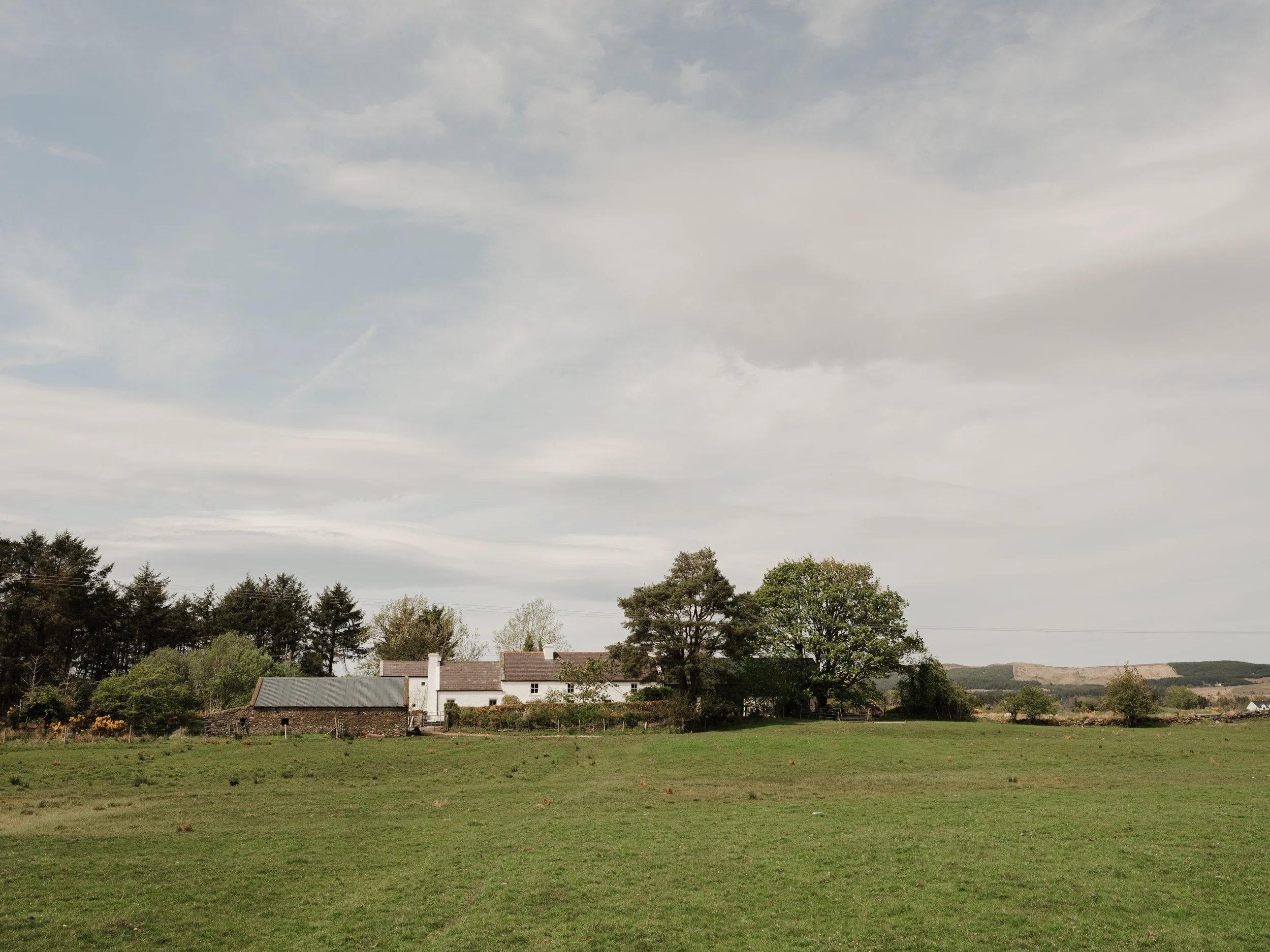
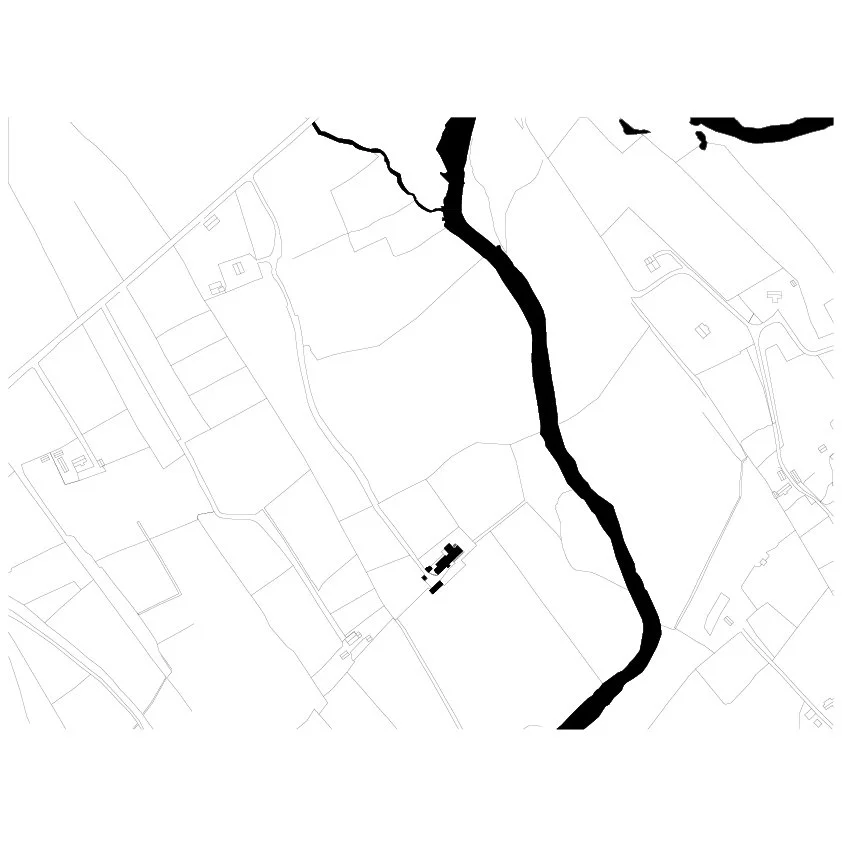
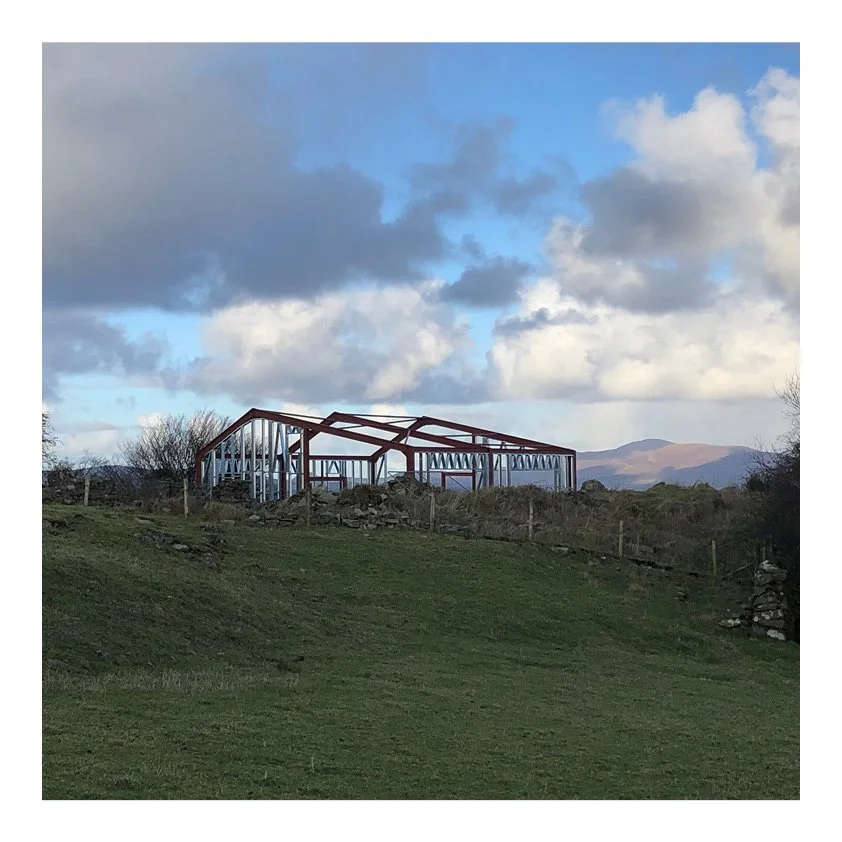
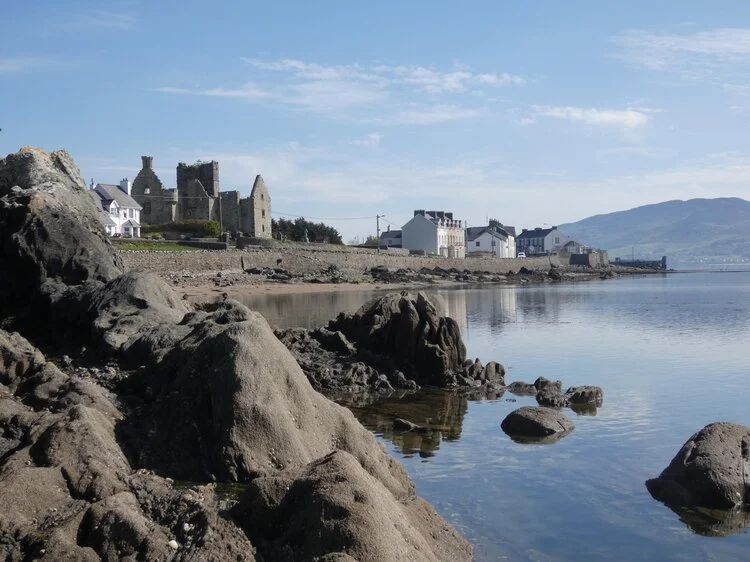
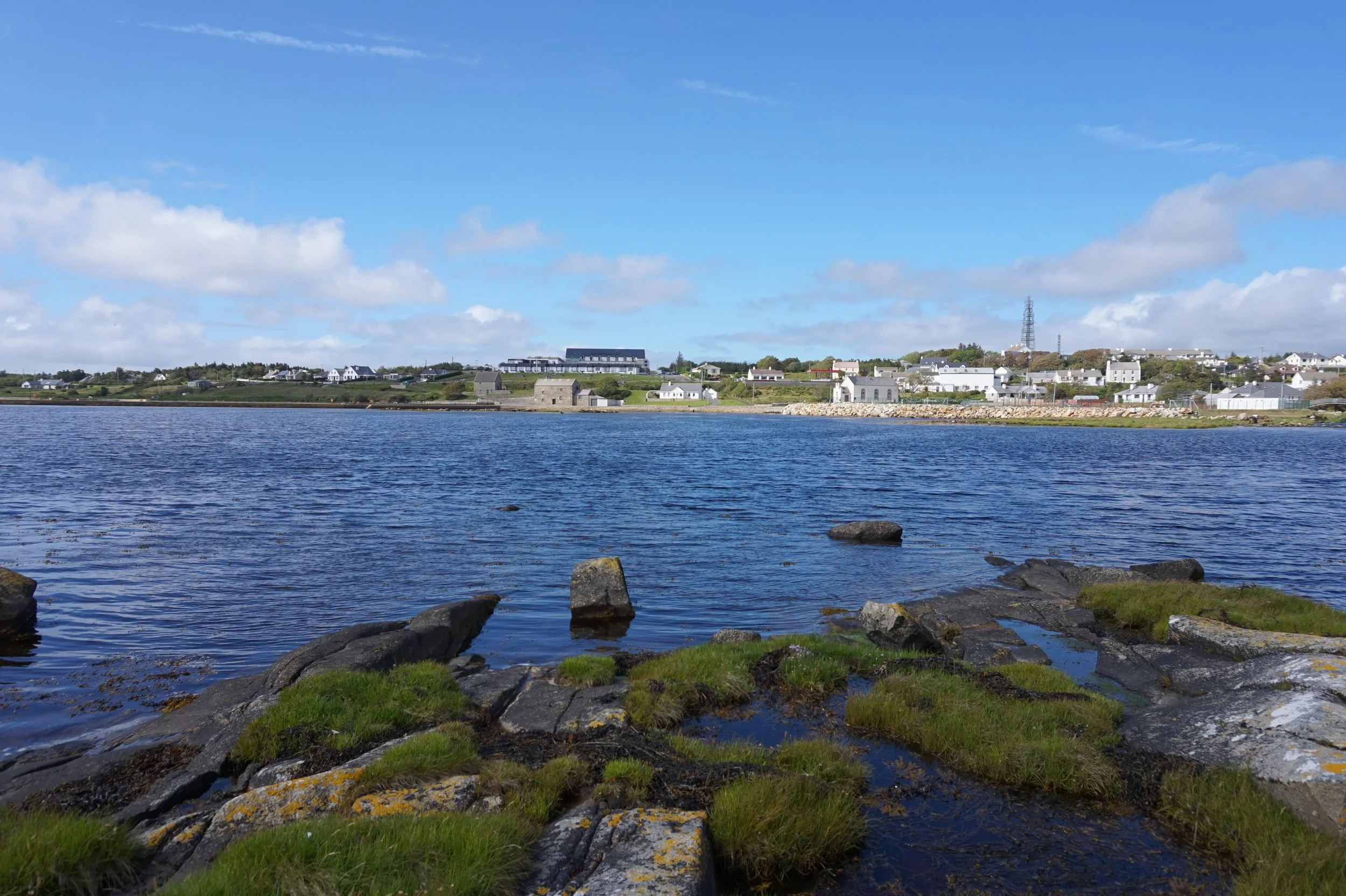
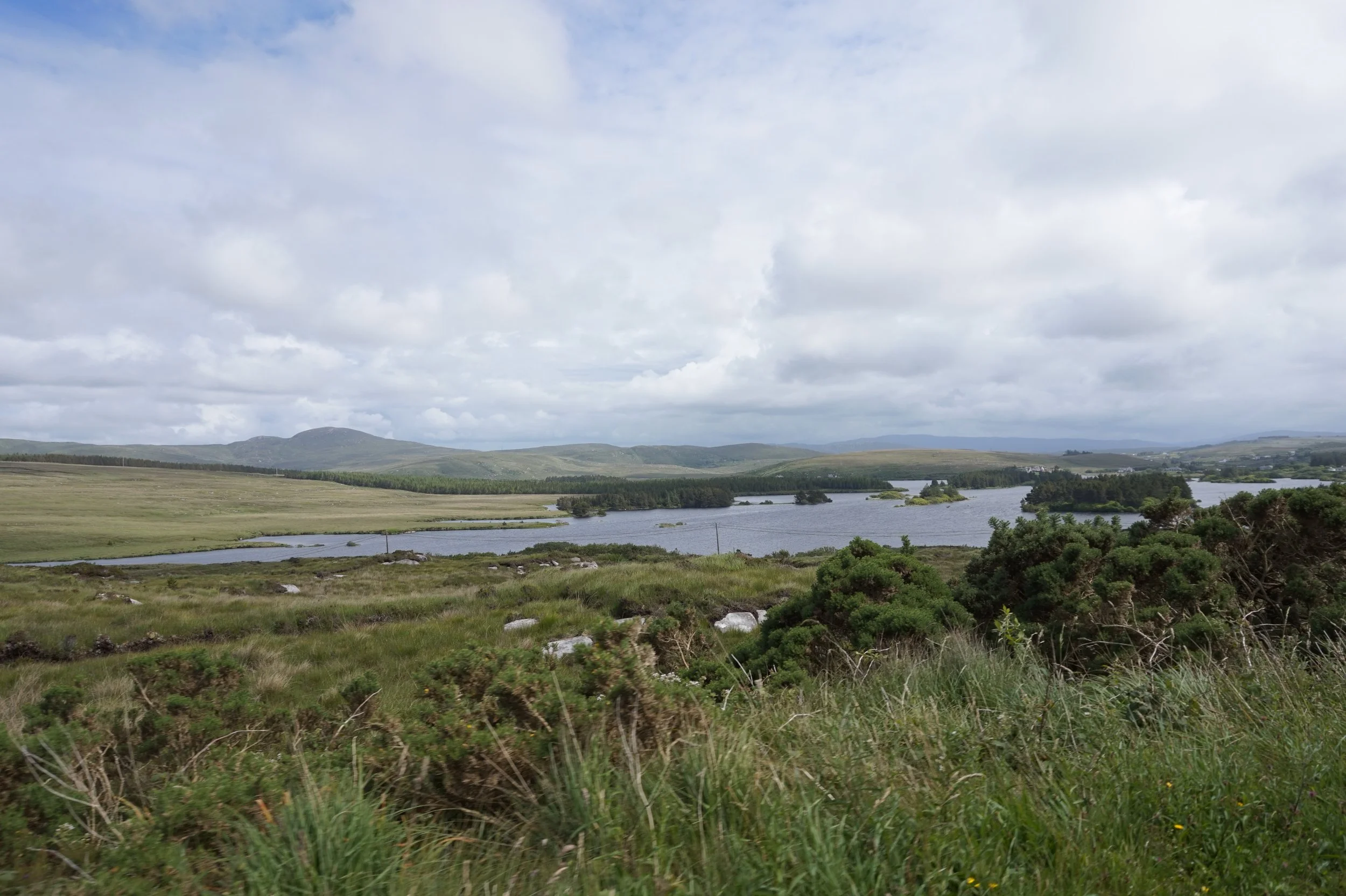
The receiving landscape is a richly layered and highly cultivated basin within an Atlantic blanket bog valley, forming a remote yet historically dense cultural landscape. This setting was once a thriving rural community of small farmsteads and extended families, evidenced through 19th-century census records which document households including James, John, Daniel, Anne, Fanny, Bridget, Nicholas, and Edward living and working in this valley during the late 1800s. Today, the stone ruins of six former cottages remain as quiet markers of this once-active settlement, embedded within the peatland terrain.
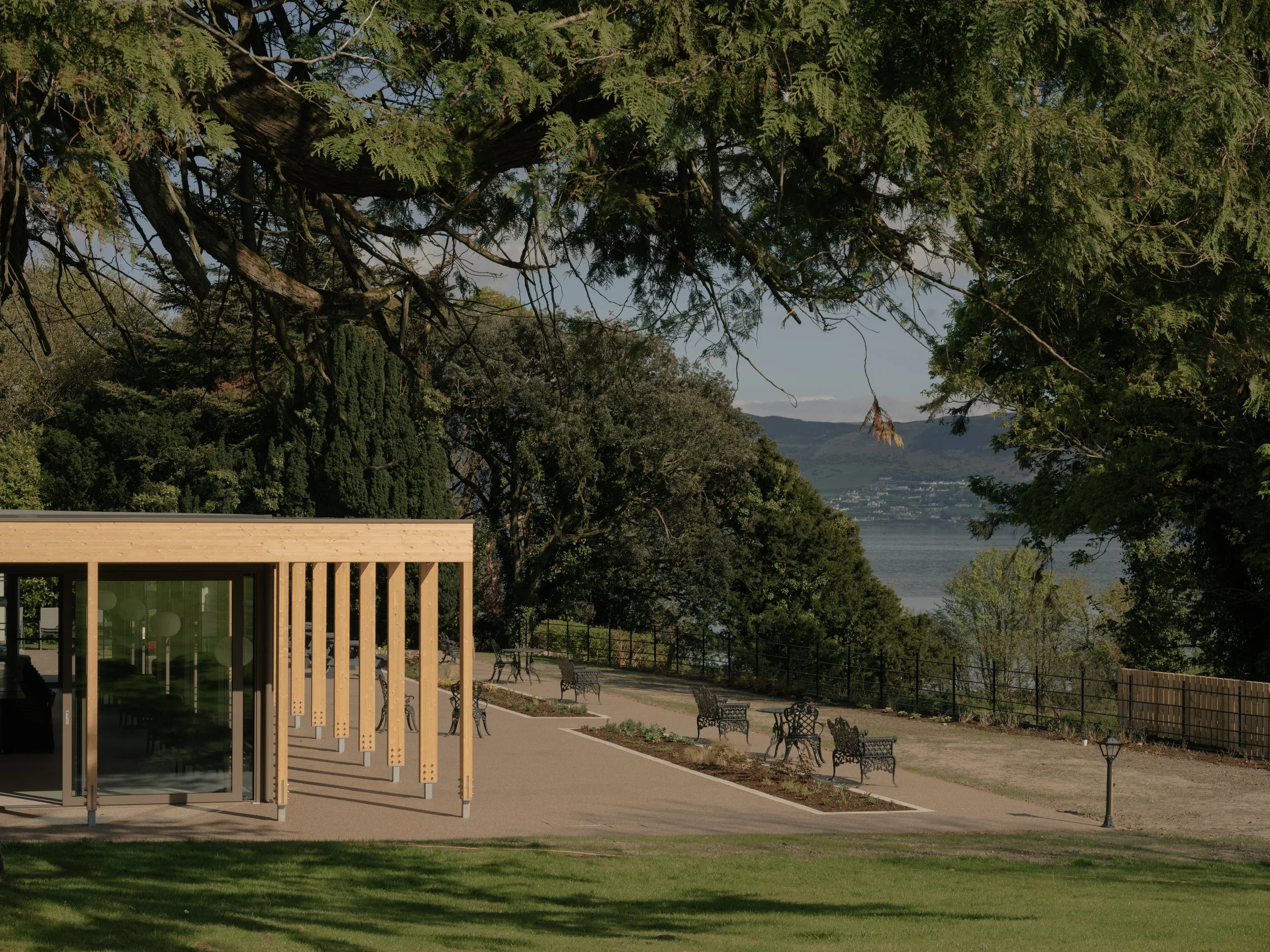
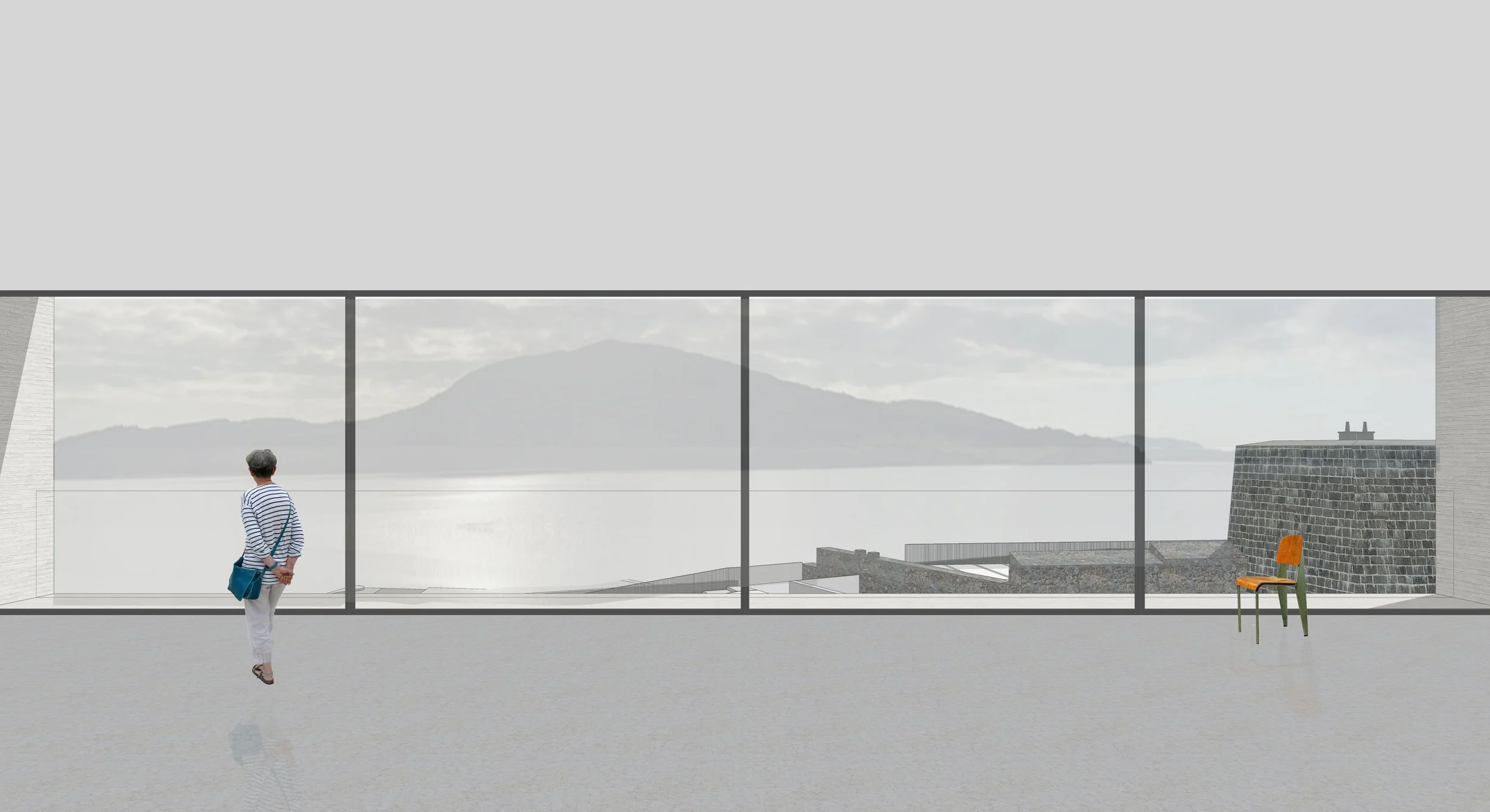
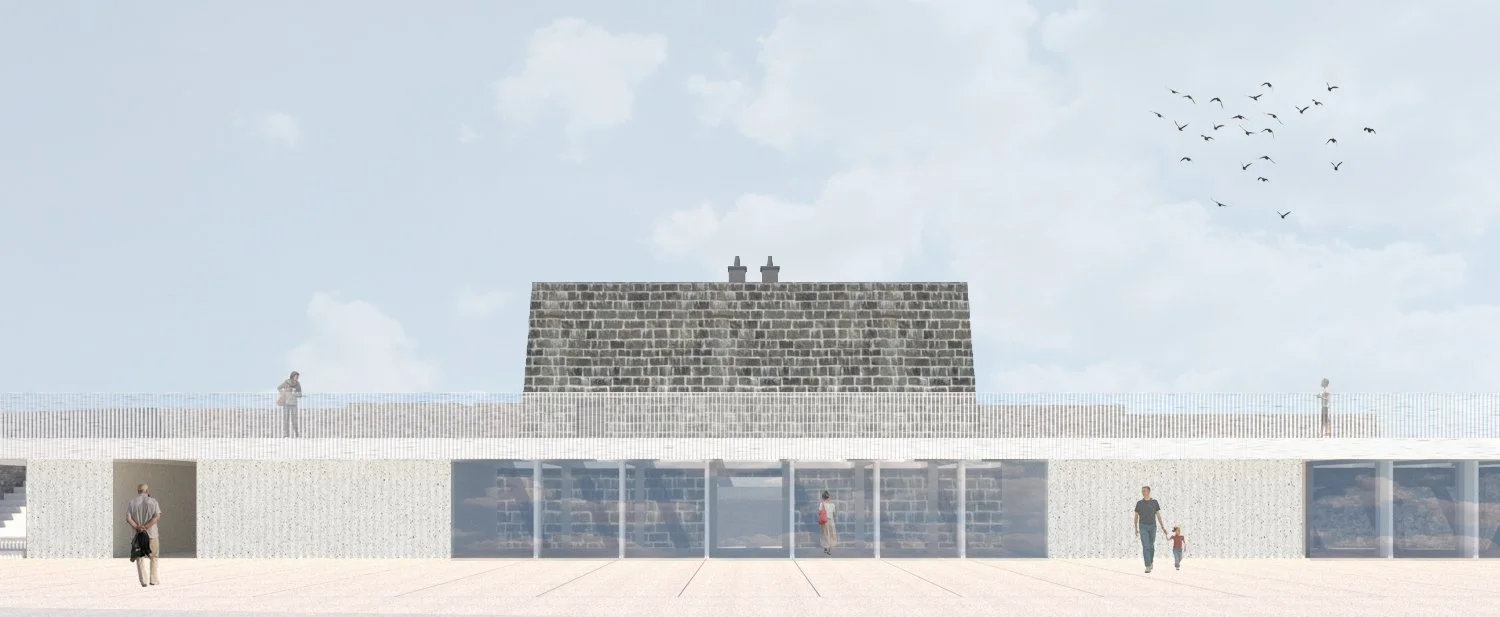
The proposal is rooted in a heritage-led and landscape-sensitive approach to tourism architecture, seeking to carefully reveal and interpret the history of the site while enabling visitors to experience the raw beauty and isolation of this Atlantic landscape. The design strategy prioritises minimal intervention, allowing the archaeological and cultural layers of the landscape to remain dominant while introducing a subtle architectural framework for immersive visitor accommodation.
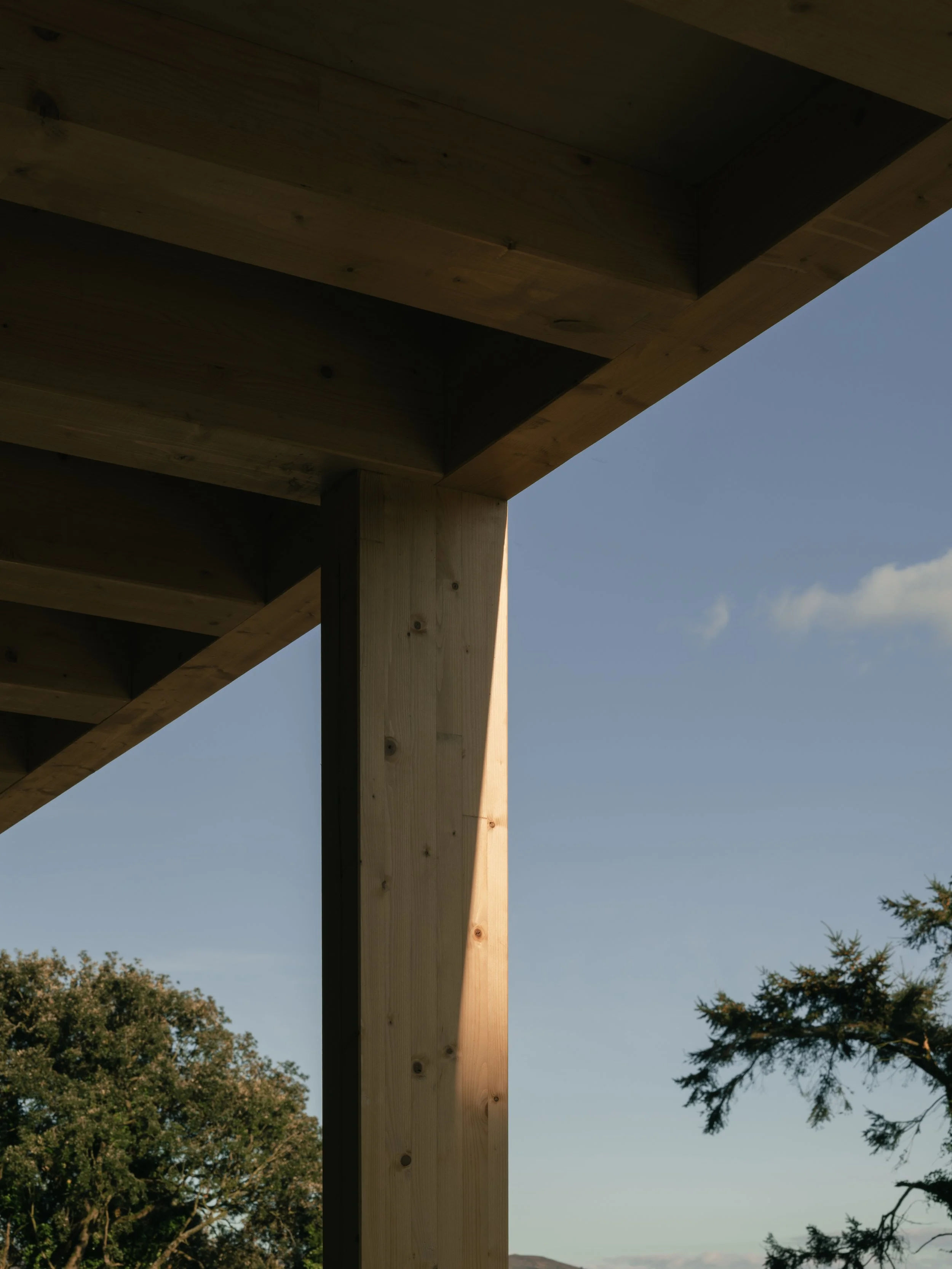
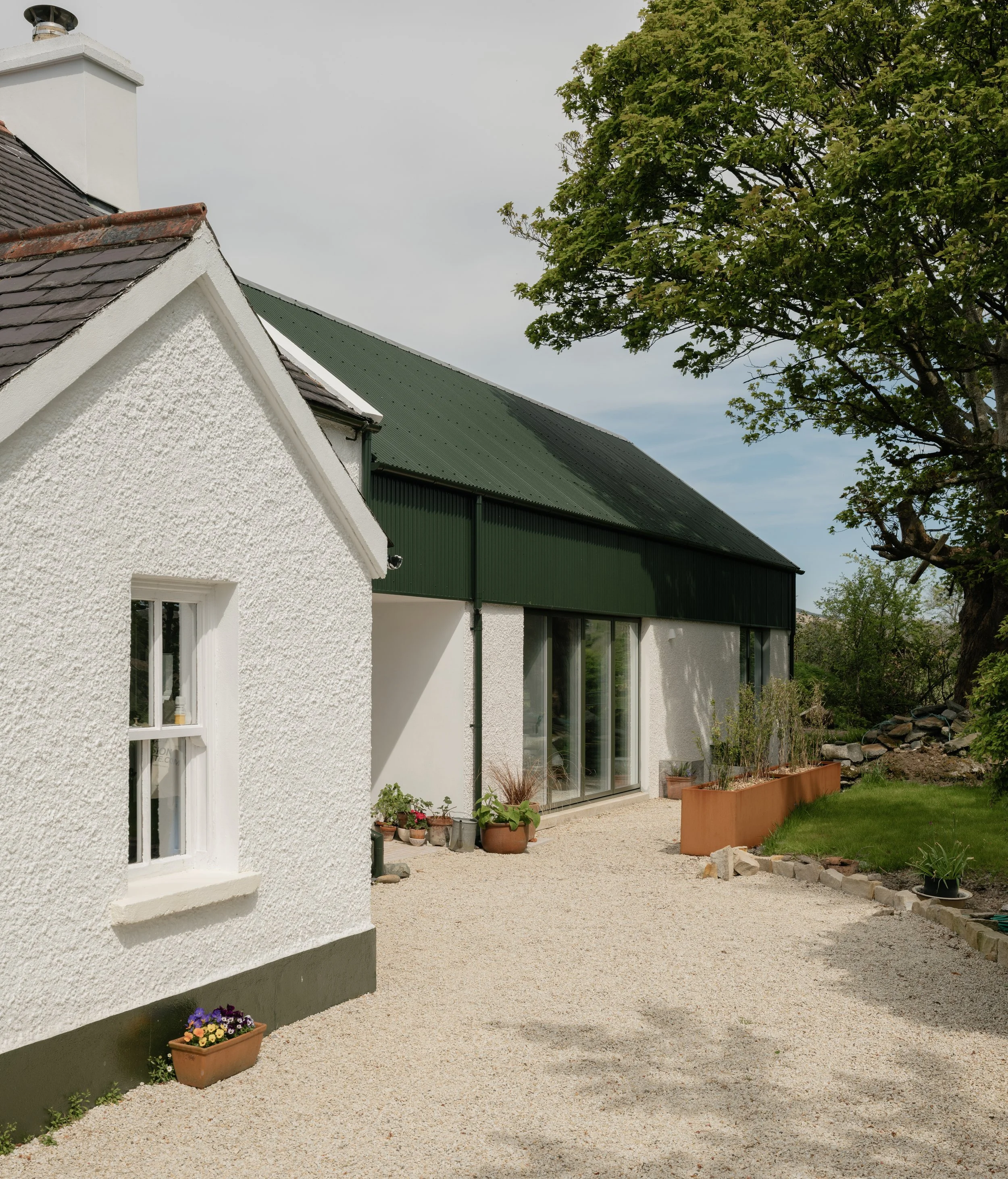
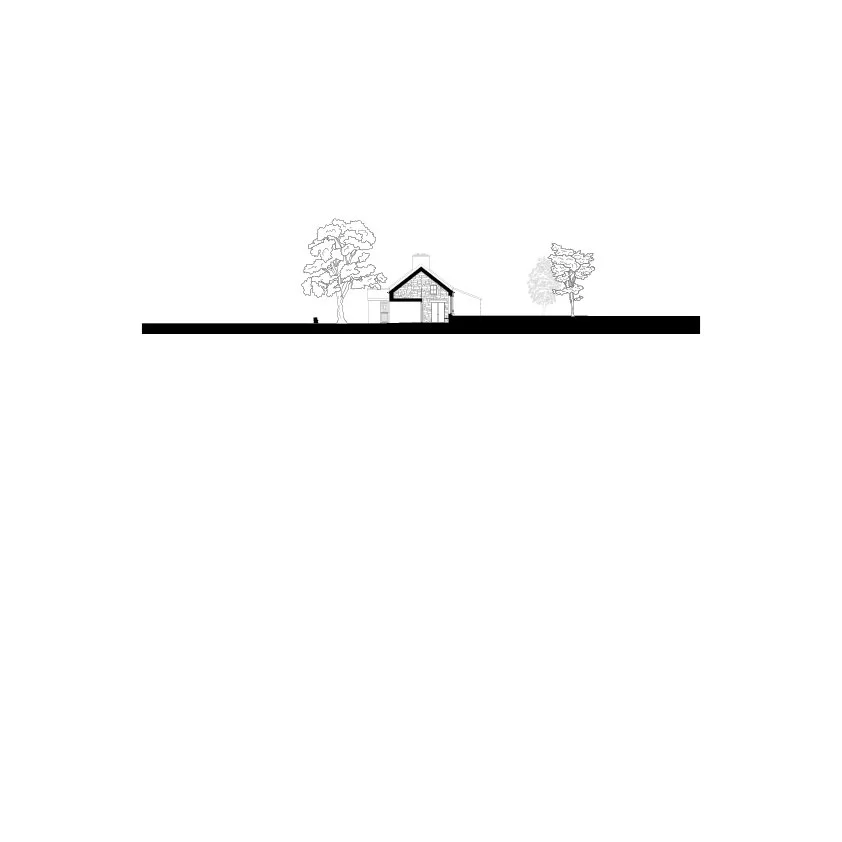
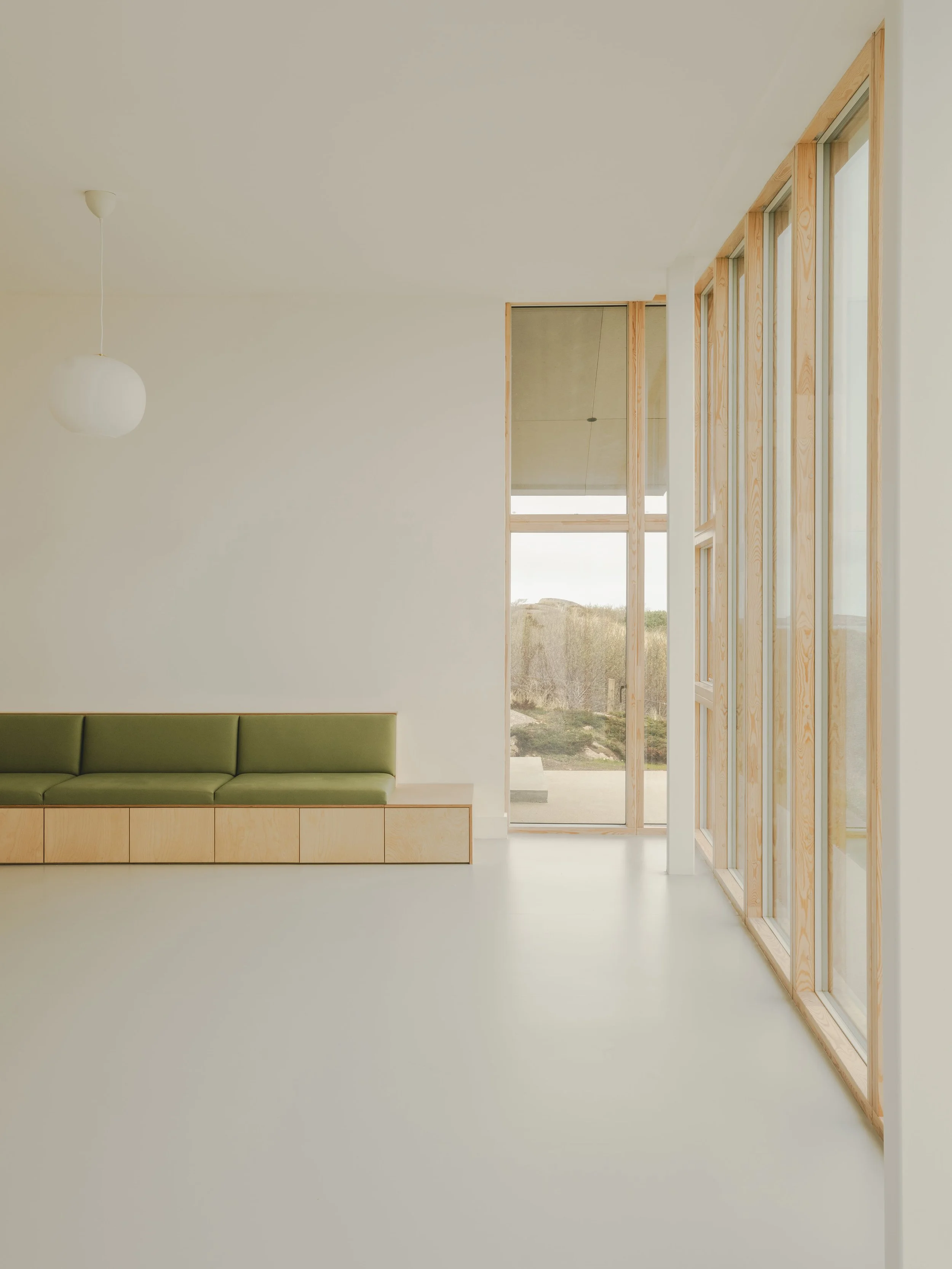
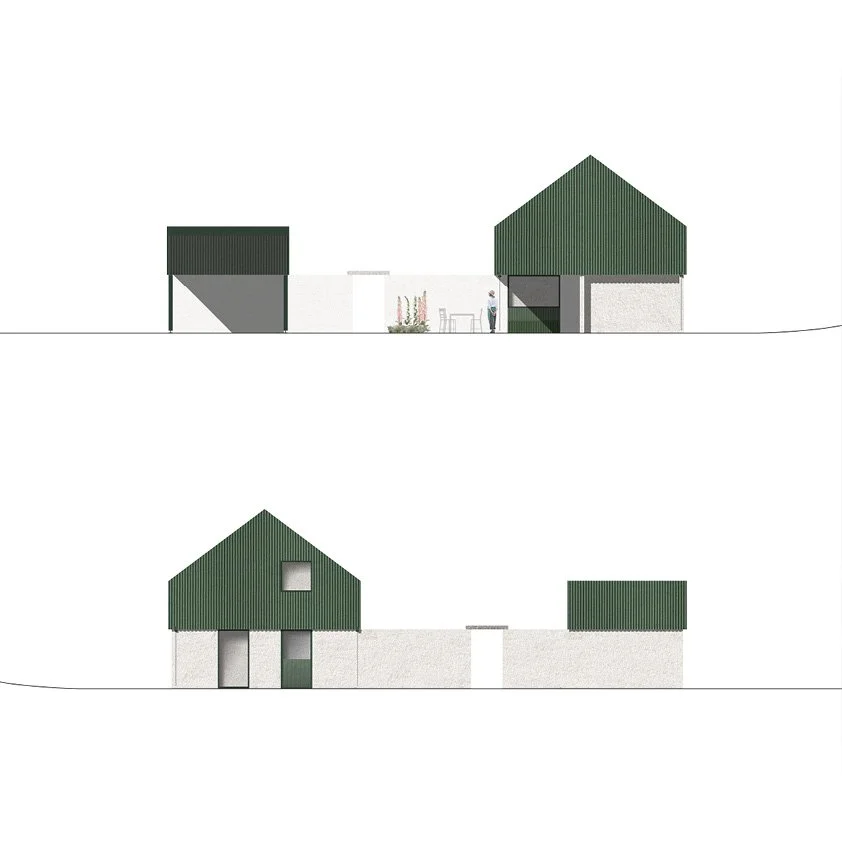
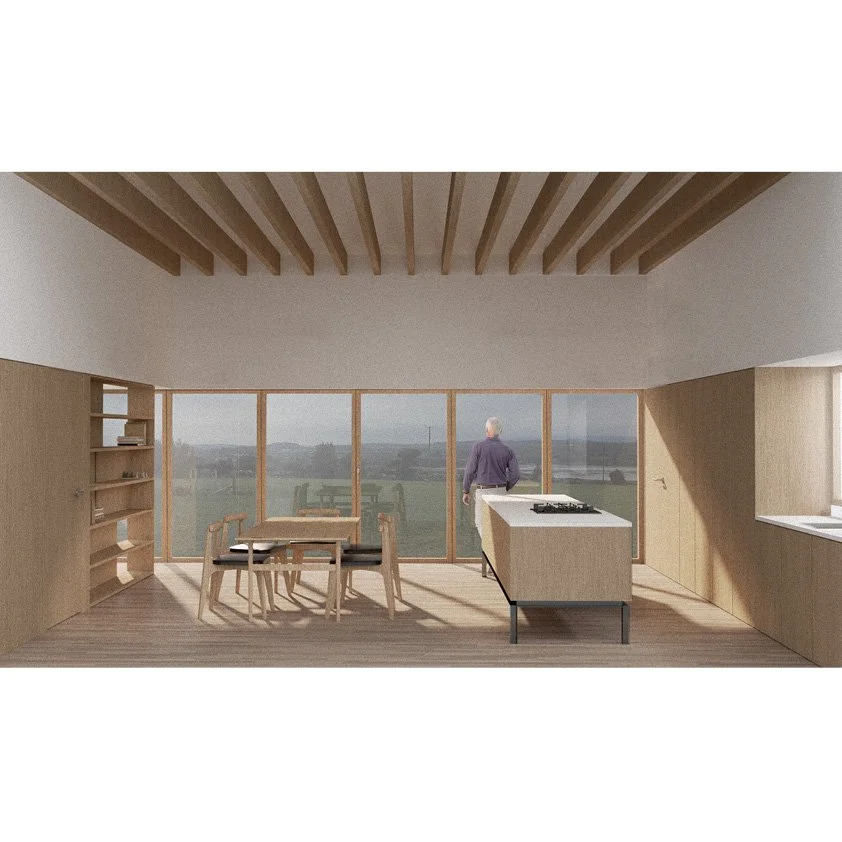
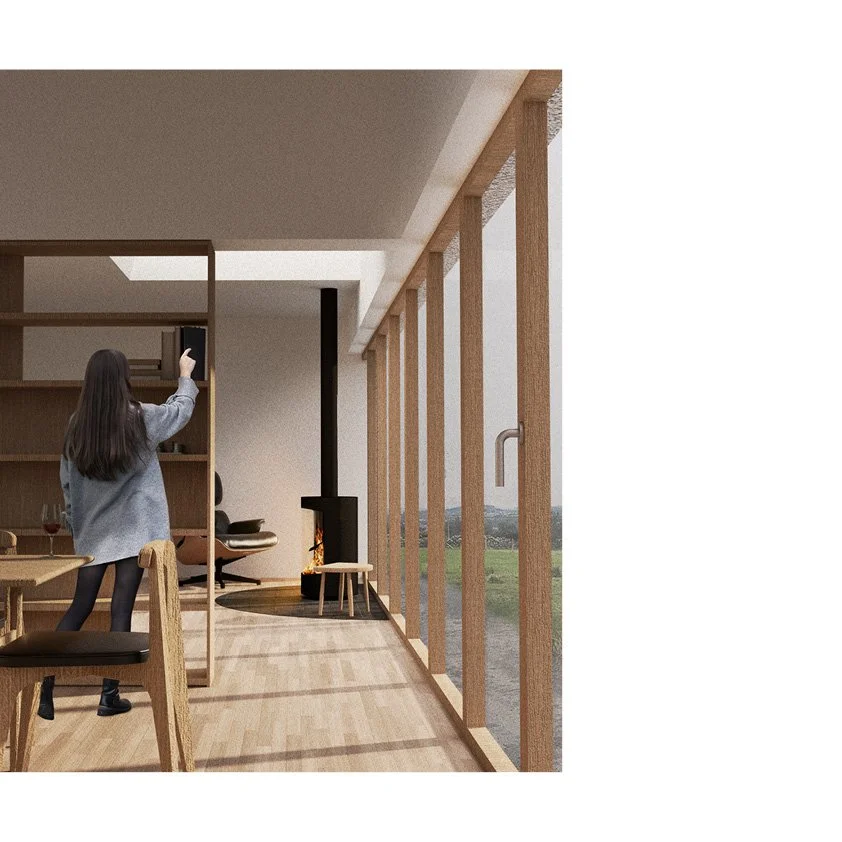
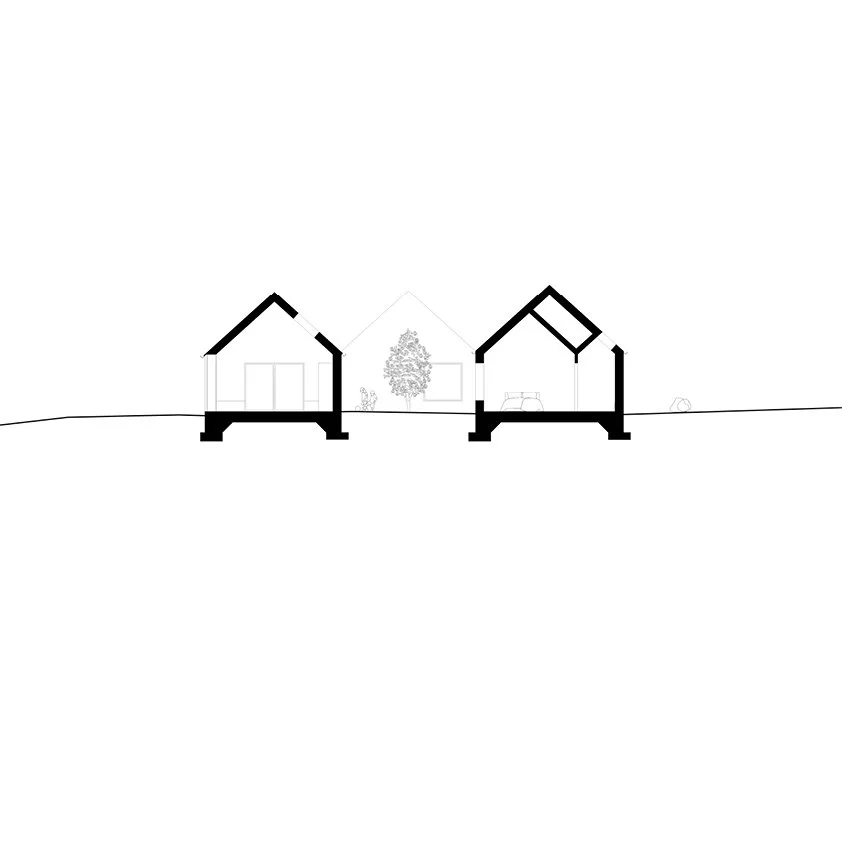
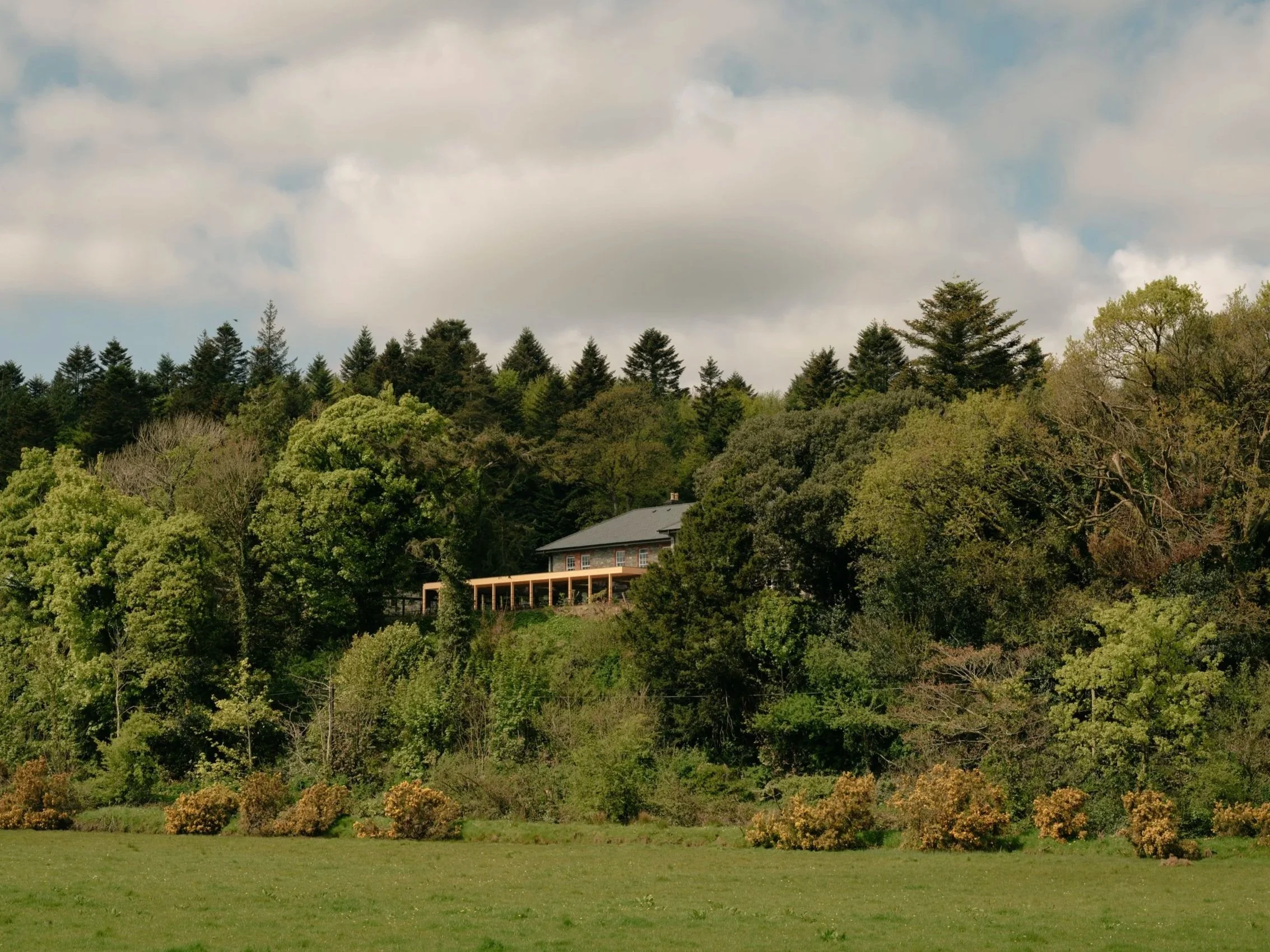
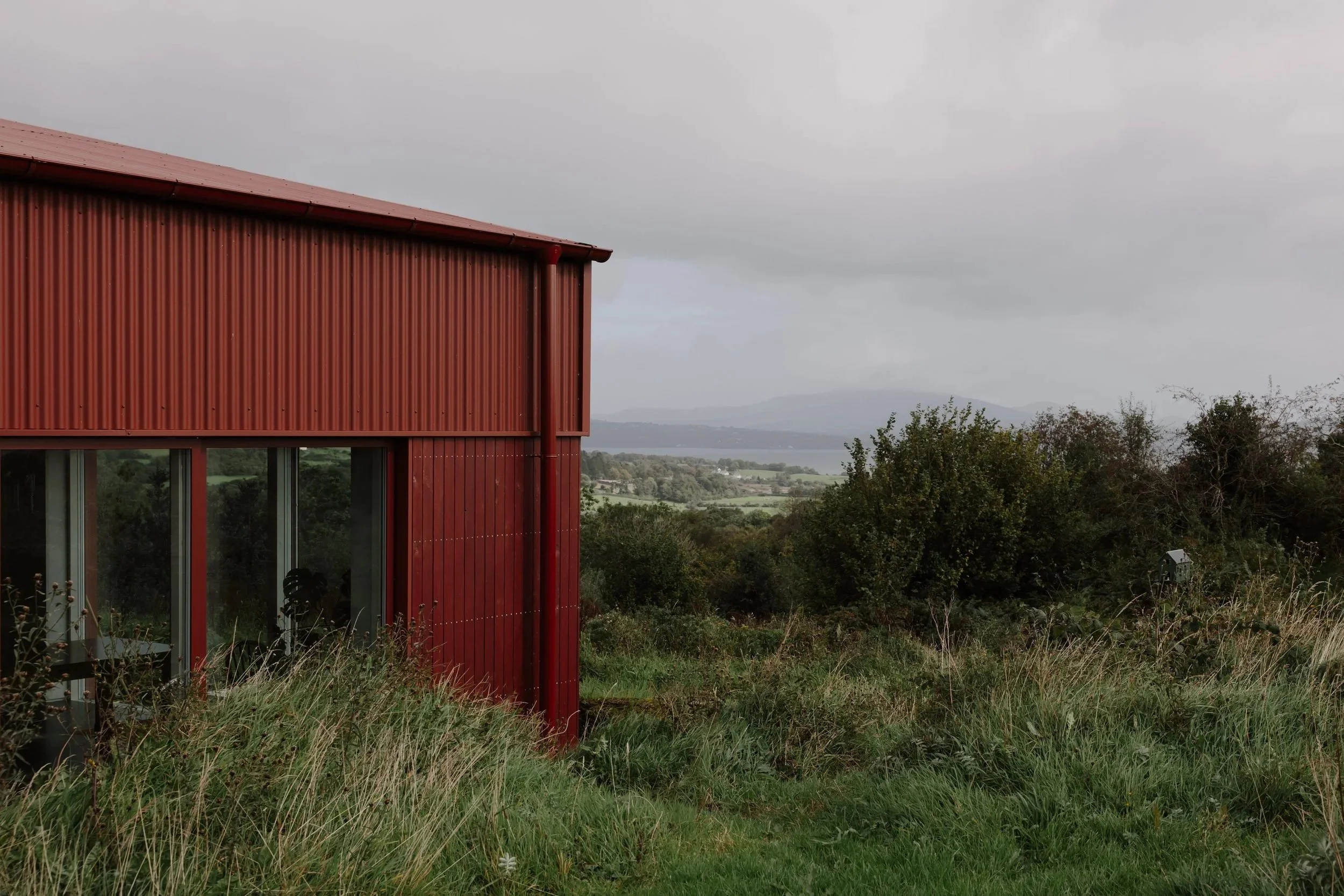
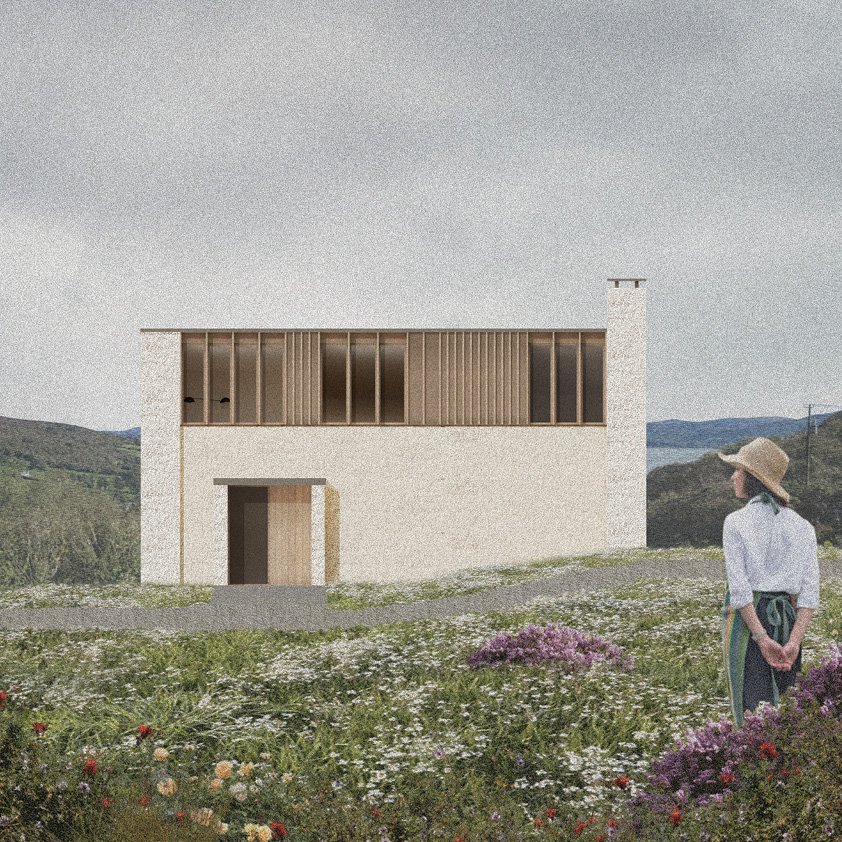
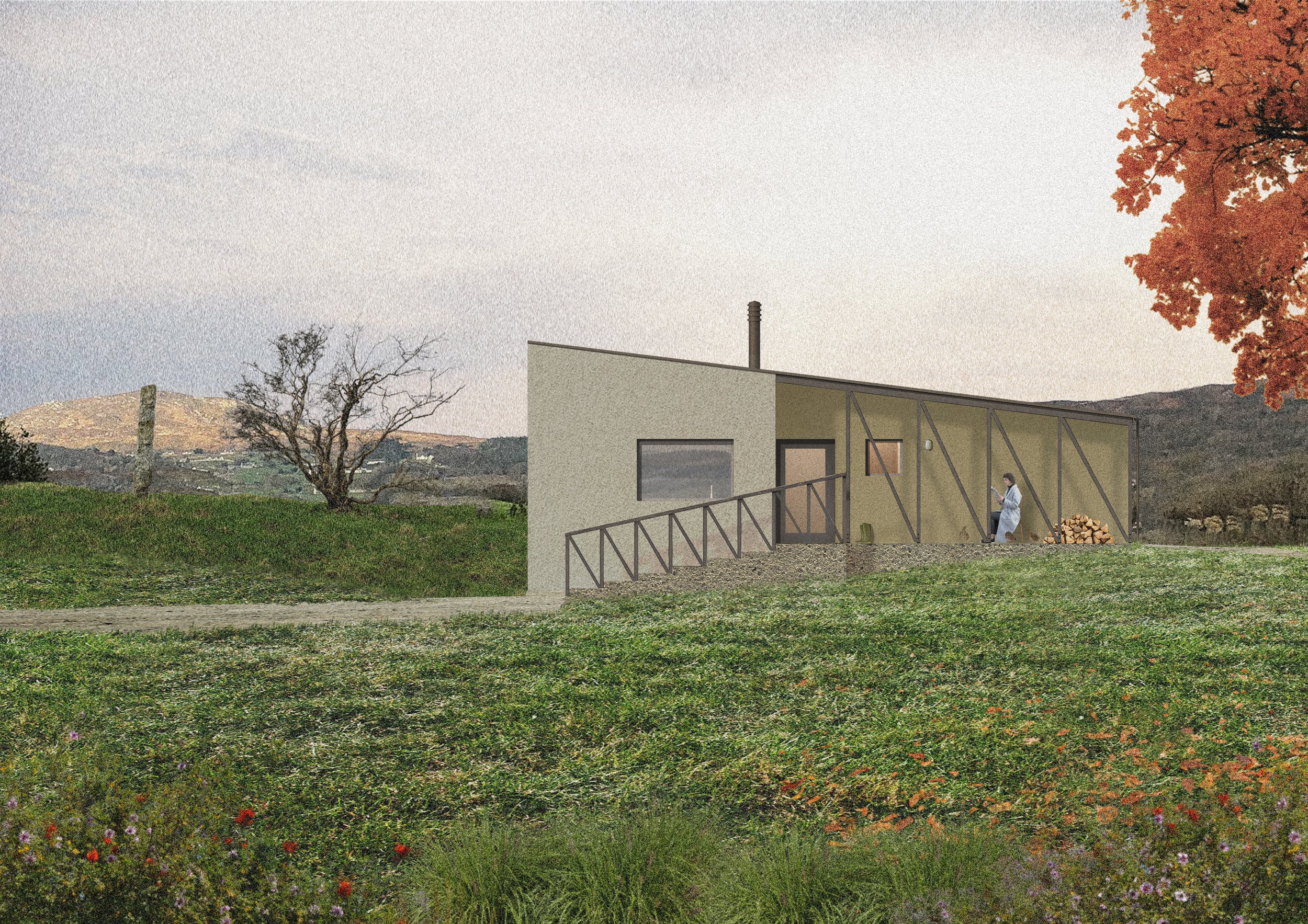
The architectural language draws directly from traditional Irish rural landscape forms, referencing the tones, textures, and seasonal variations of the surrounding bogland environment. The design is intentionally quiet and restrained, composed of calm, low-lying forms that sit gently within the landscape rather than compete with it. Inspiration is taken from the atmospheric works of Paul Henry, particularly his depictions of turf stacks, hayfields, and rural dwellings, where simplified massing and muted colour palettes capture the essence of place.
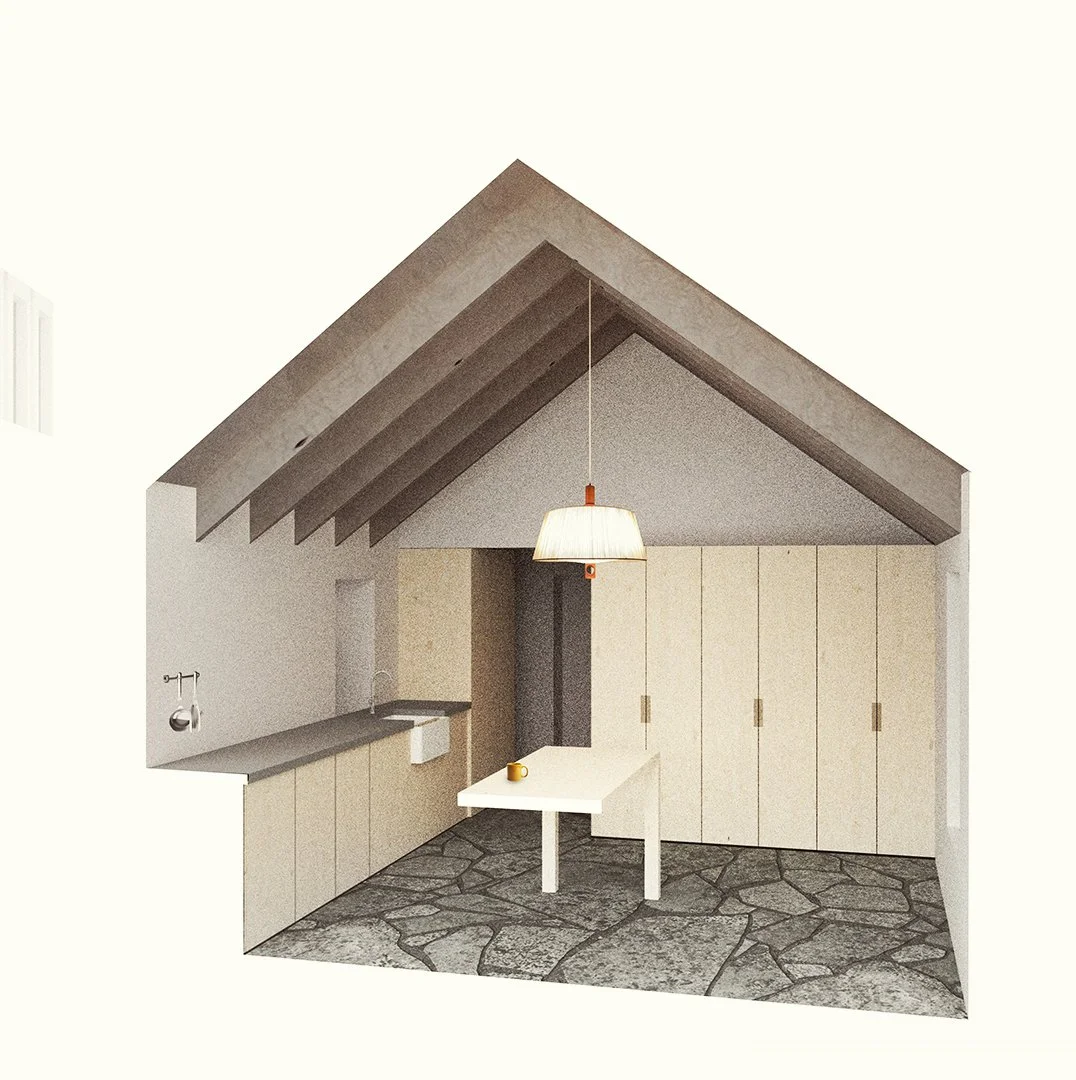
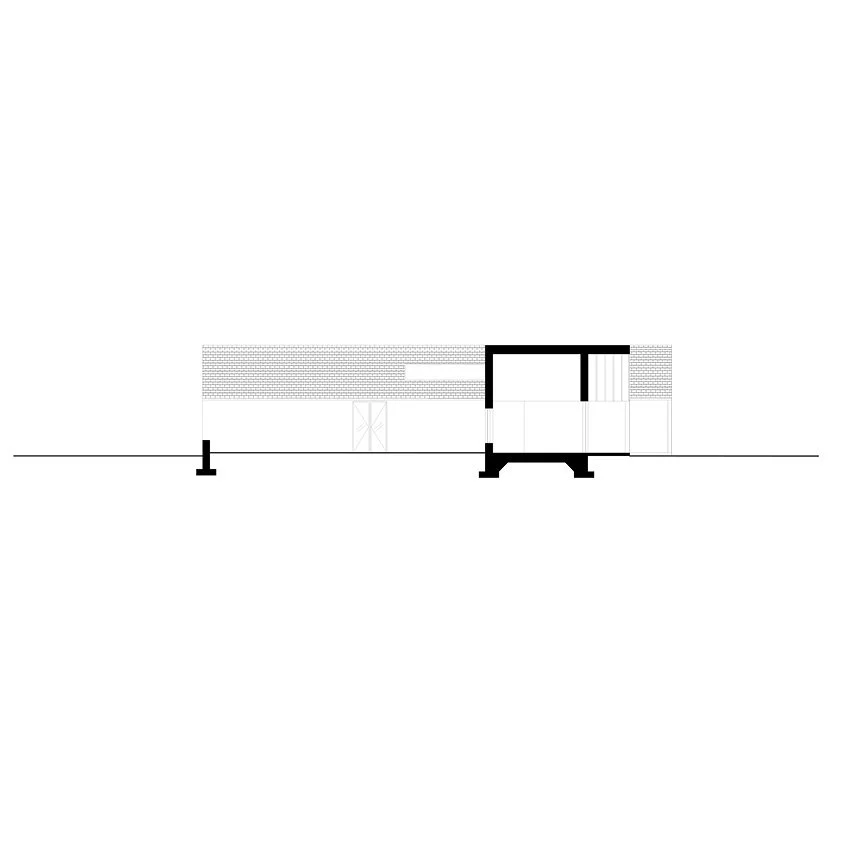
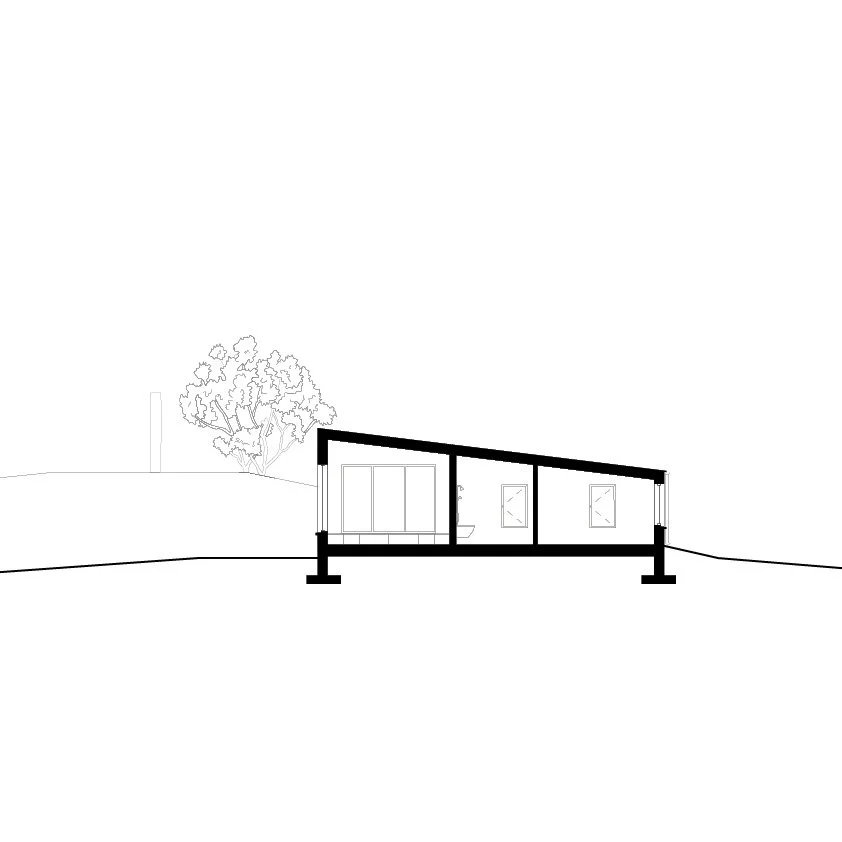
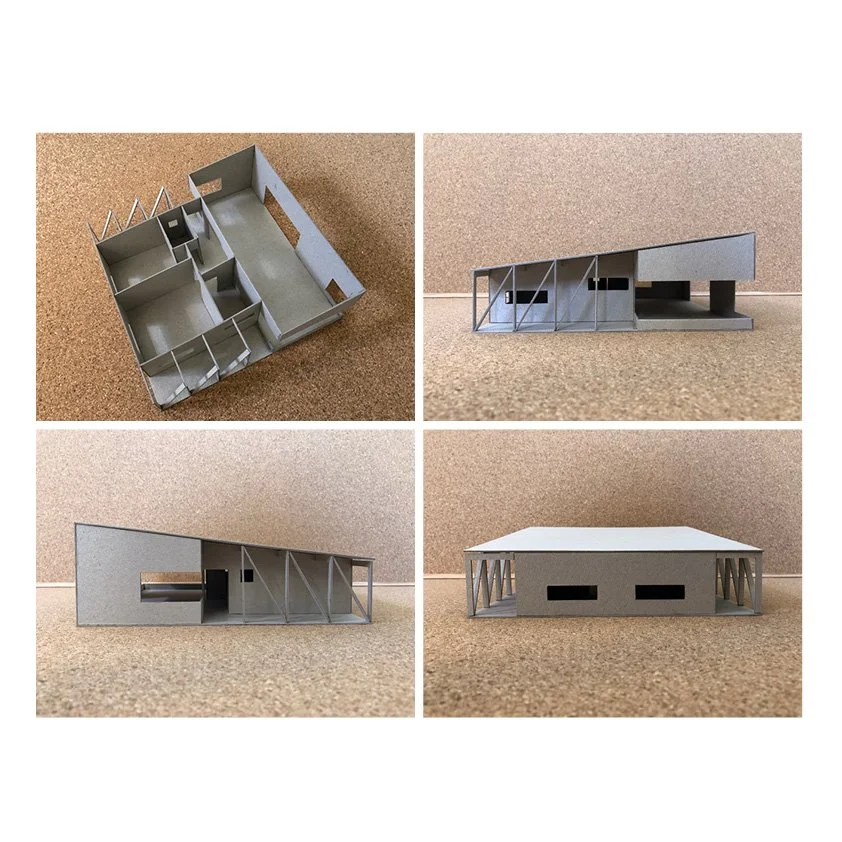
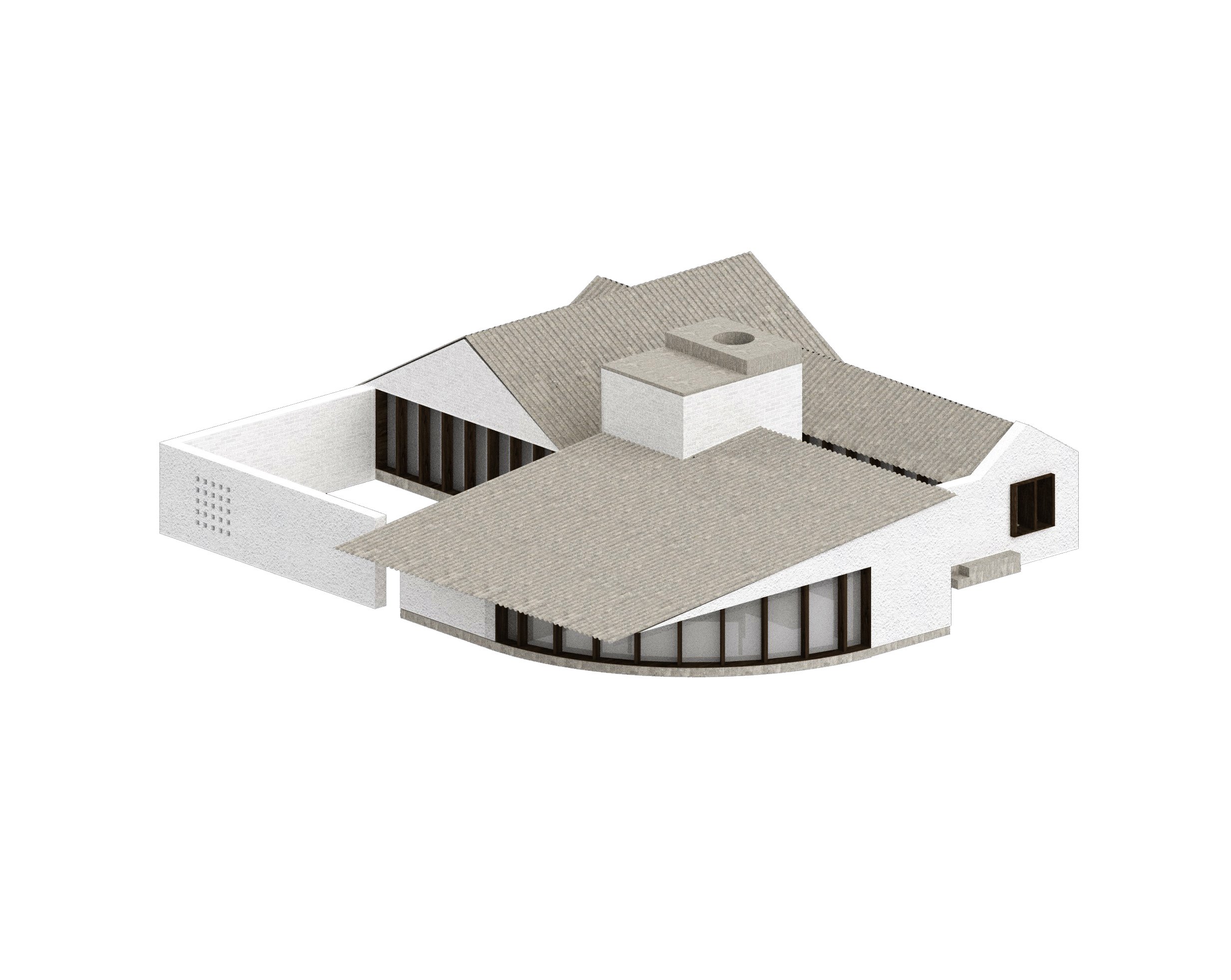
The form of the accommodation units is derived from these vernacular agricultural references, reinterpreting the geometry of haystacks and turf stacks that once characterised the working landscape. This is combined with spatial influences from temporary and vernacular structures such as tents, yurts, and traditional Irish cottages, resulting in a typology that balances familiarity, shelter, and contemporary comfort while remaining deeply embedded in its context.
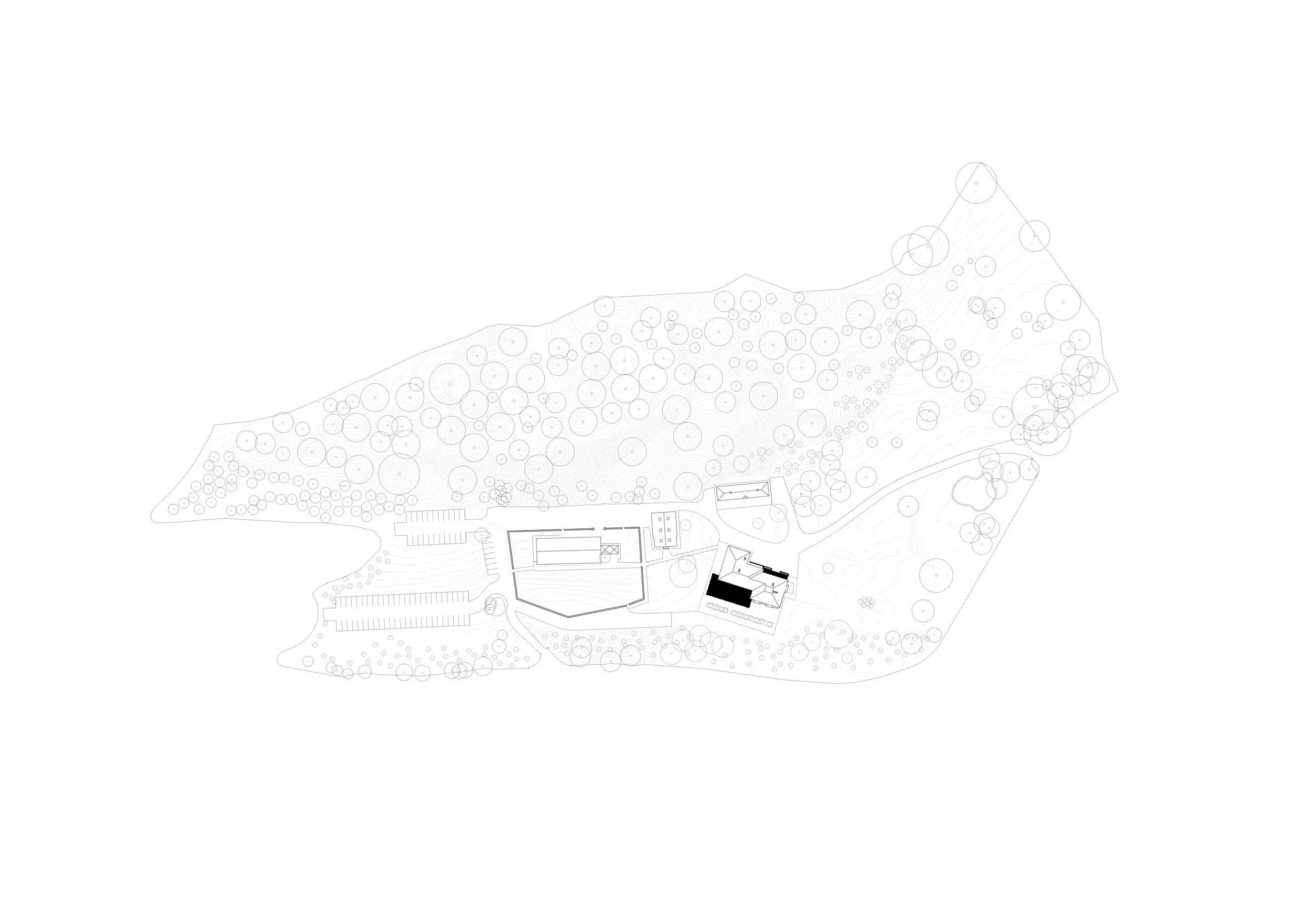
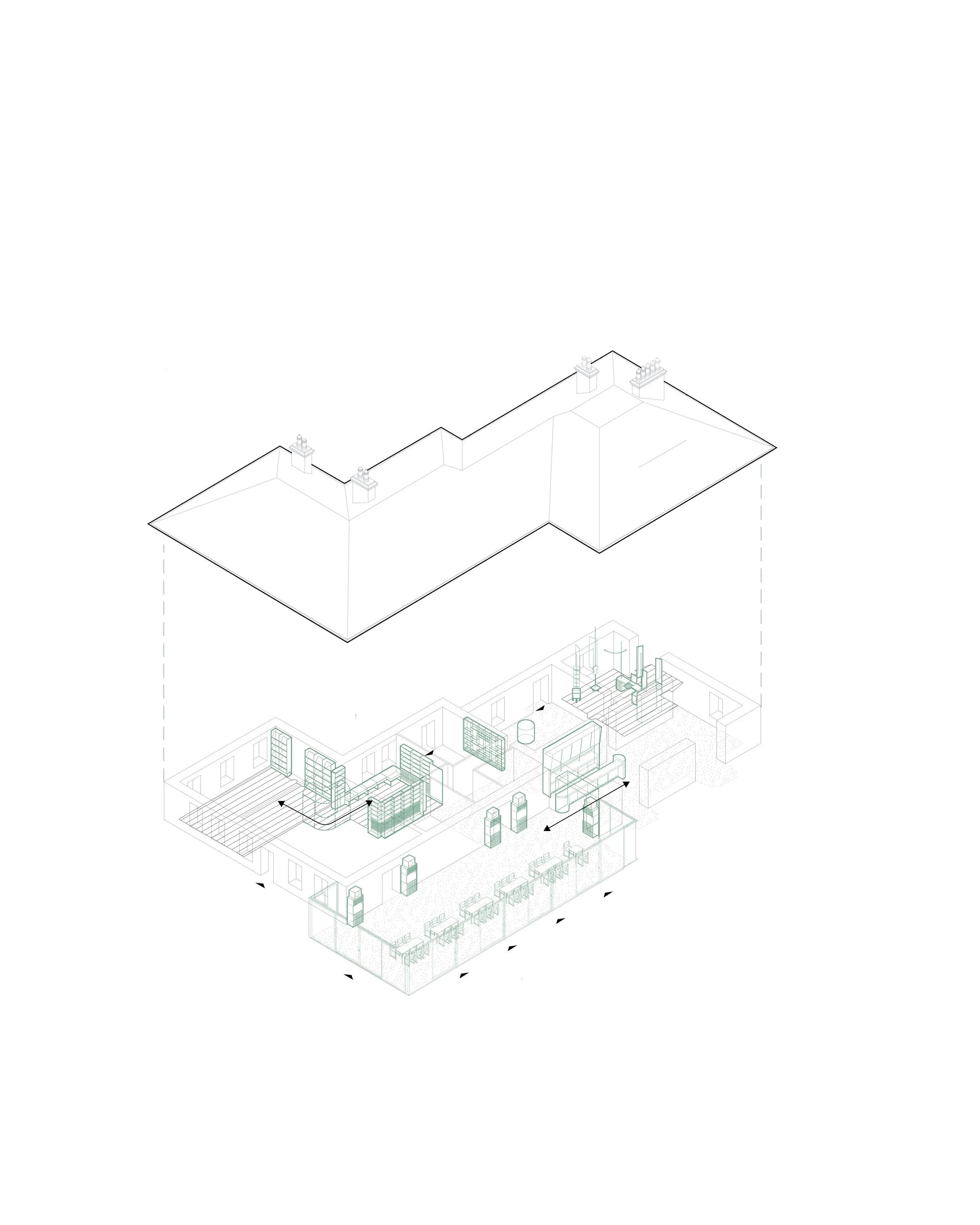
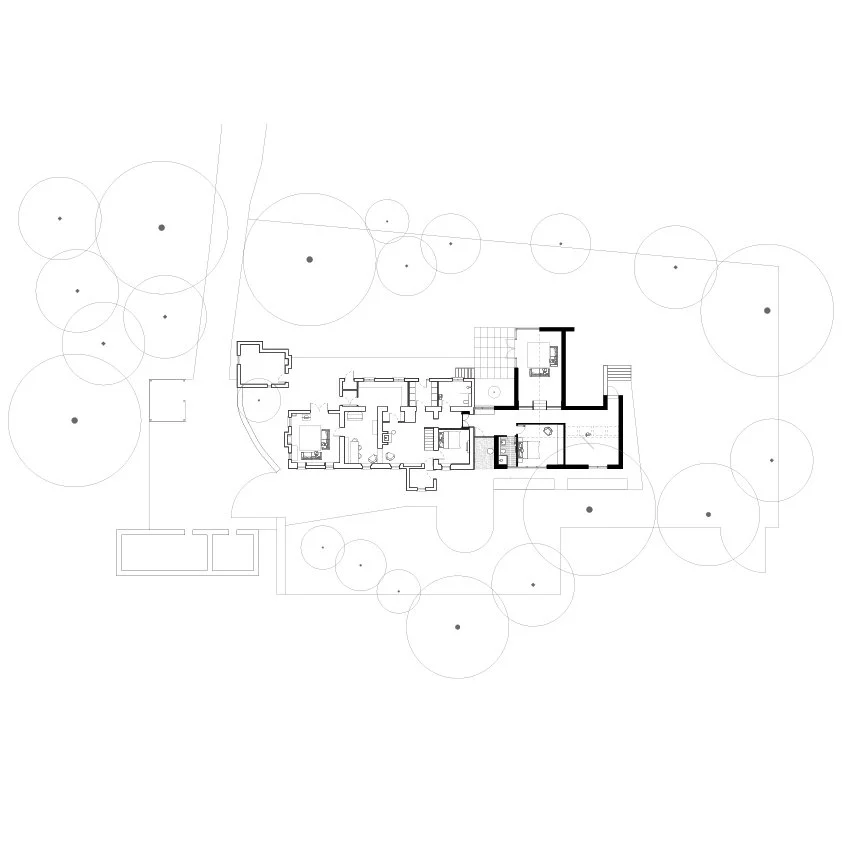
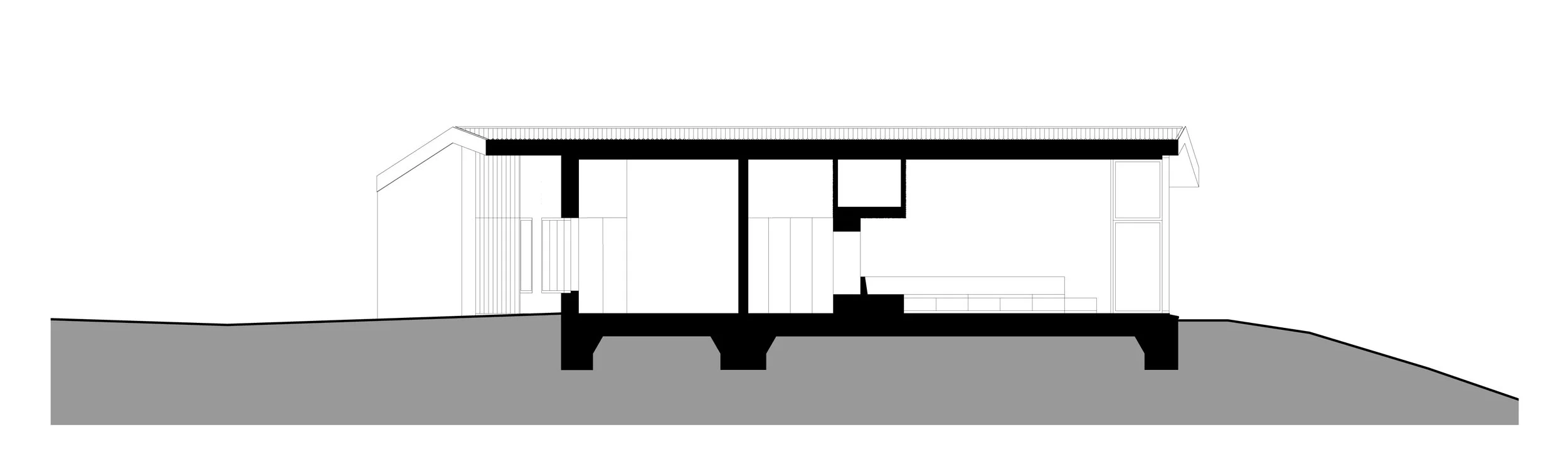
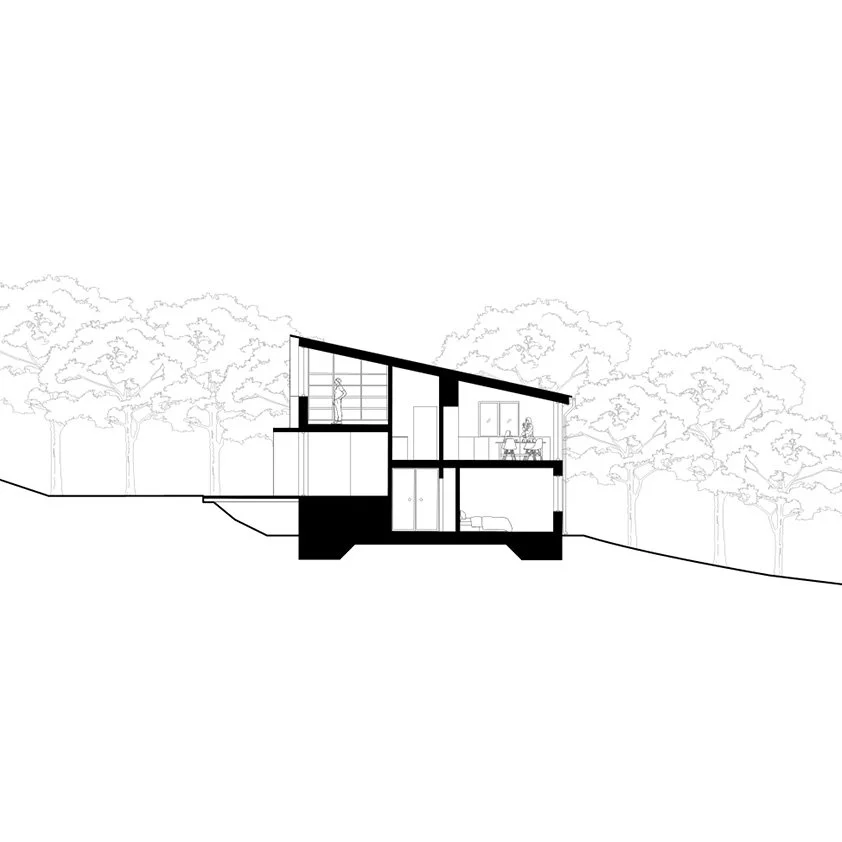
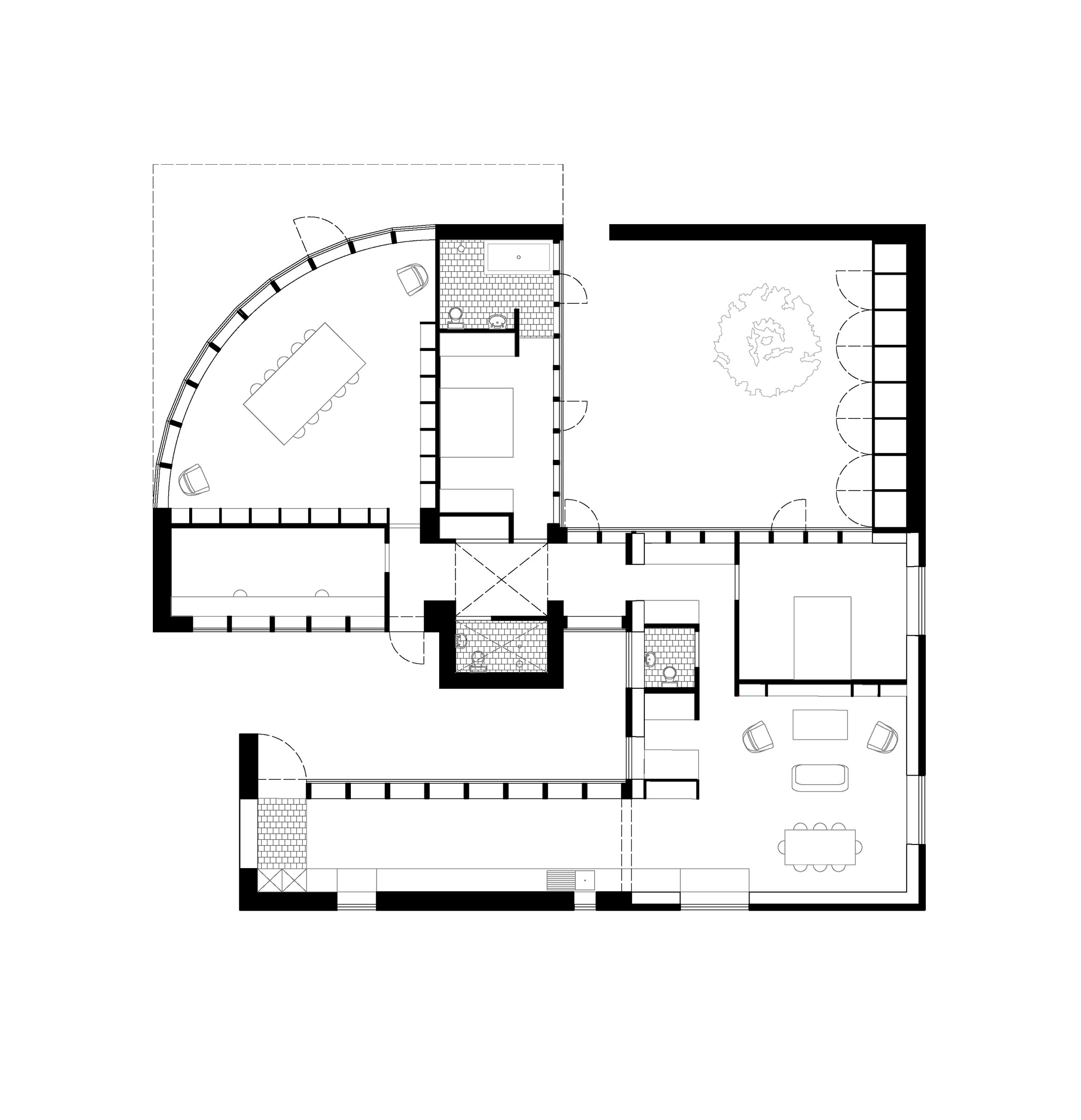
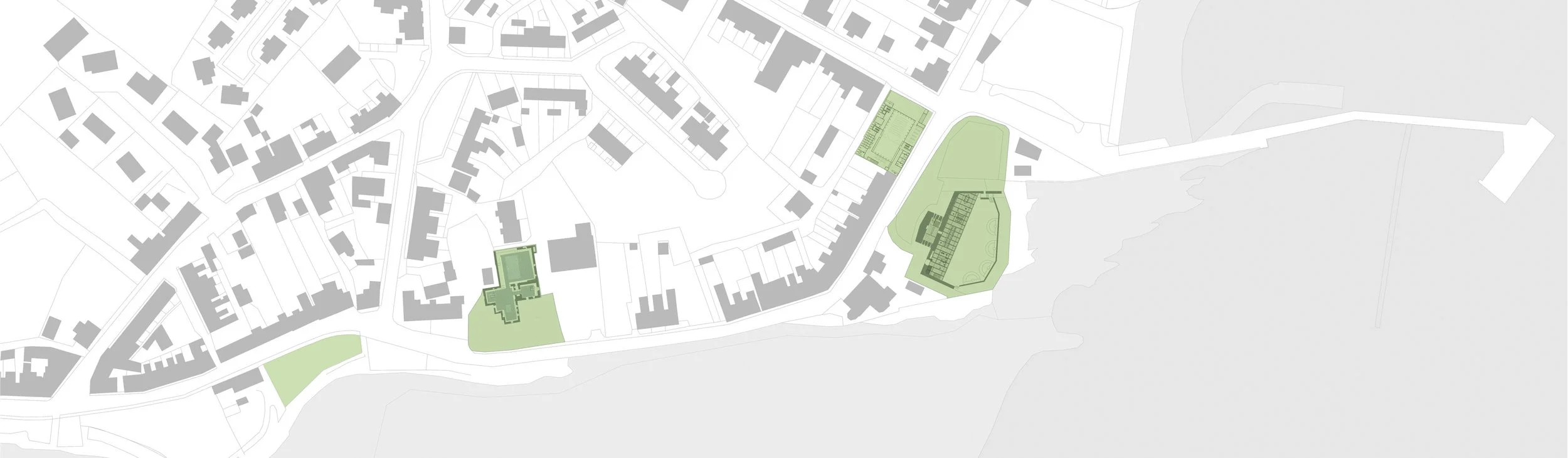
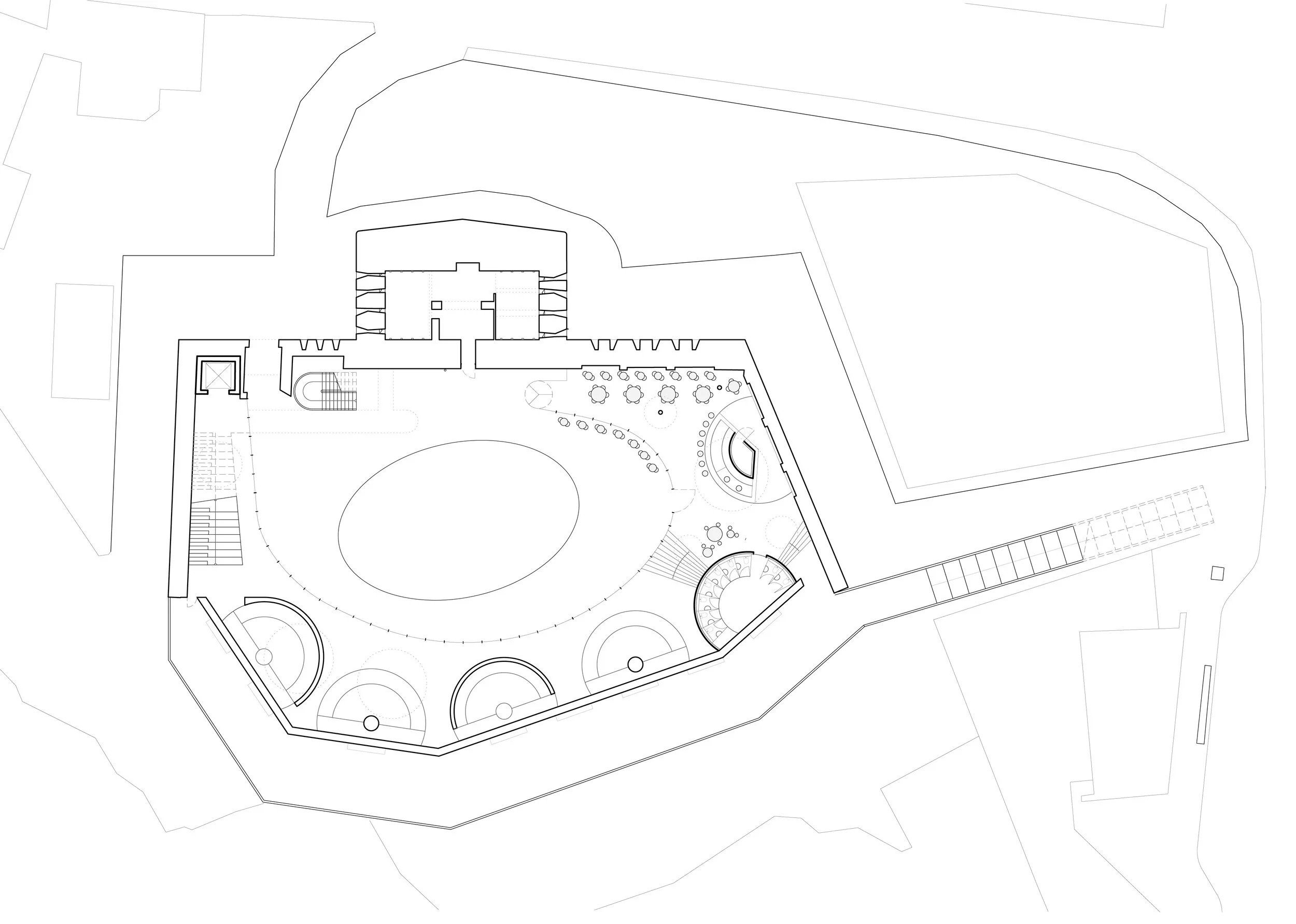
A detailed analysis of the site’s topography, hydrology, and historic field patterns has informed the precise placement of each structure. The huts are carefully positioned to respond to natural landforms—some aligning with existing stone walls, others nestled beneath ridgelines or stepping down across natural terraces. This approach ensures that the built form follows the logic of the landscape, reinforcing rather than altering its structure.
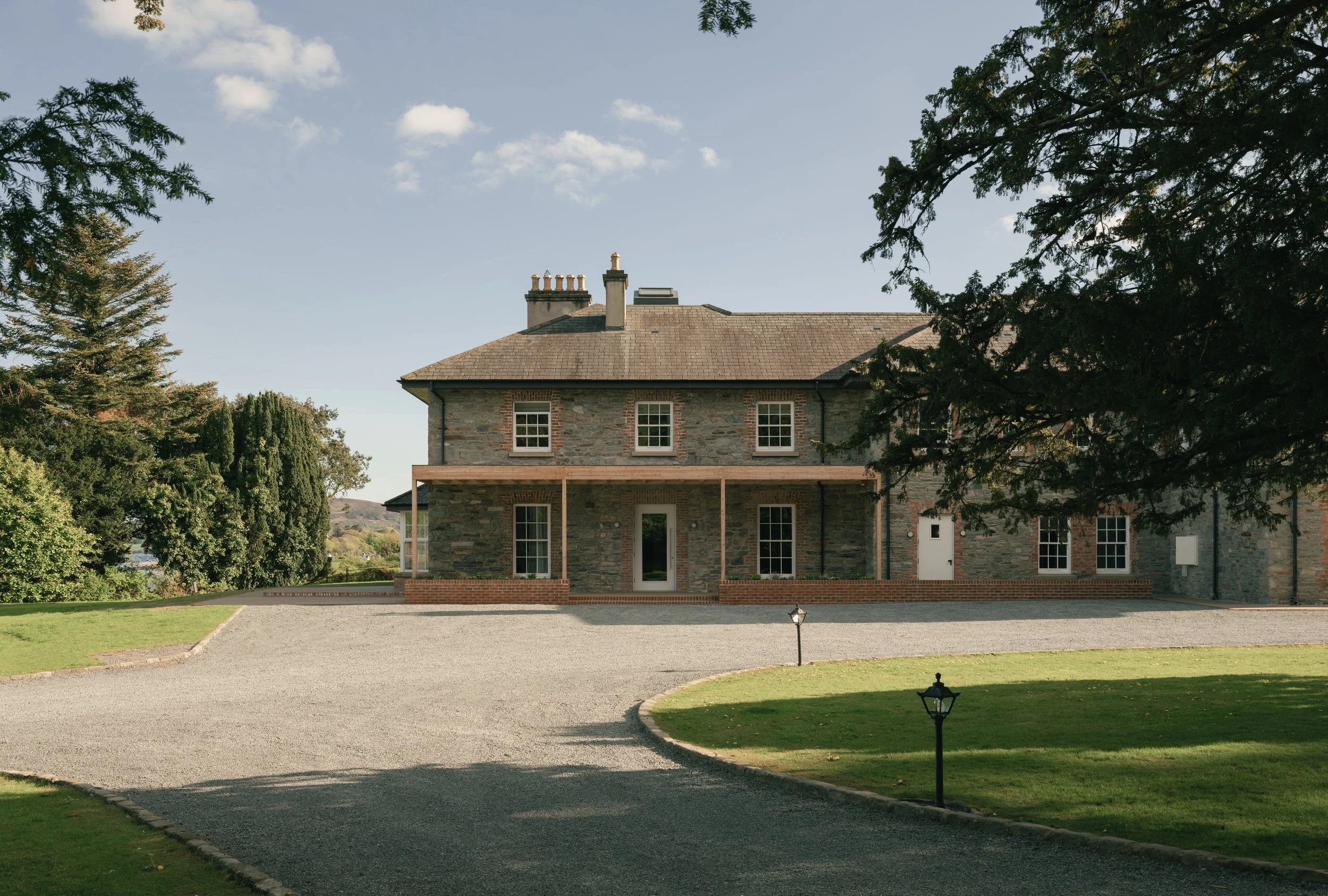
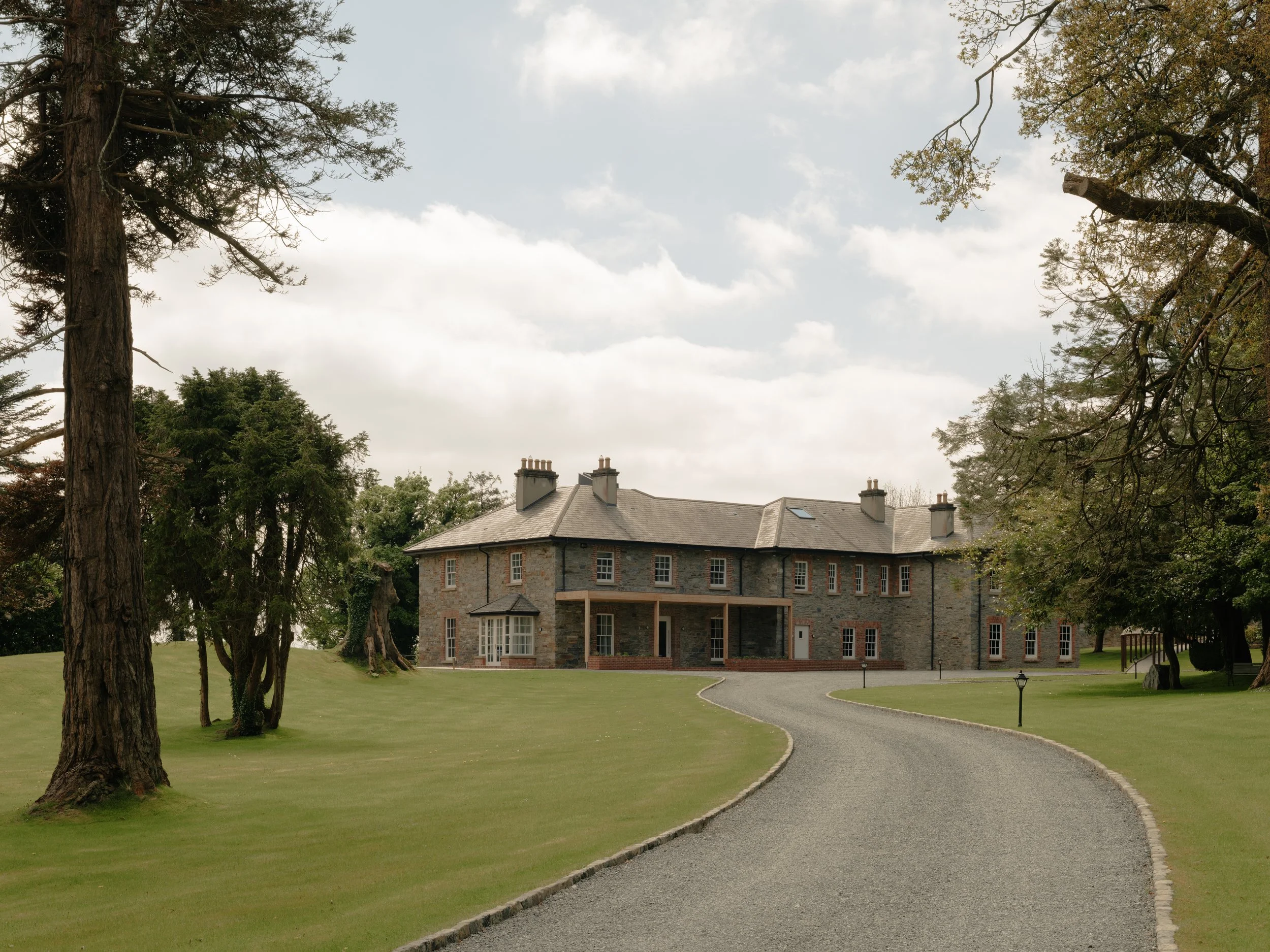
The ruins of the original farm cottages and surviving field boundaries are retained as the primary organising framework of the scheme. New interventions are arranged in dialogue with these remnants, allowing the historic fabric to remain the dominant and most legible layer of the site. The architecture is deliberately secondary—supporting interpretation, movement, and occupation without diminishing the presence of the original structures.
Visitor experience is designed as a slow landscape journey, following historic pathways once walked in the 19th century by families such as the Gallaghers and the O’Donnells. These routes are reactivated as part of an immersive narrative landscape, allowing visitors to engage directly with both the physical terrain and its cultural memory.
This project reflects the wider design ethos of Pasparakis Friel Architects, specialising in; heritage-led tourism architecture in sensitive landscapes, eco-tourism and experiential visitor accommodation design, landscape-first architectural interventions, rural regeneration and cultural heritage projects in Ireland and contextual architecture in protected and fragile environments
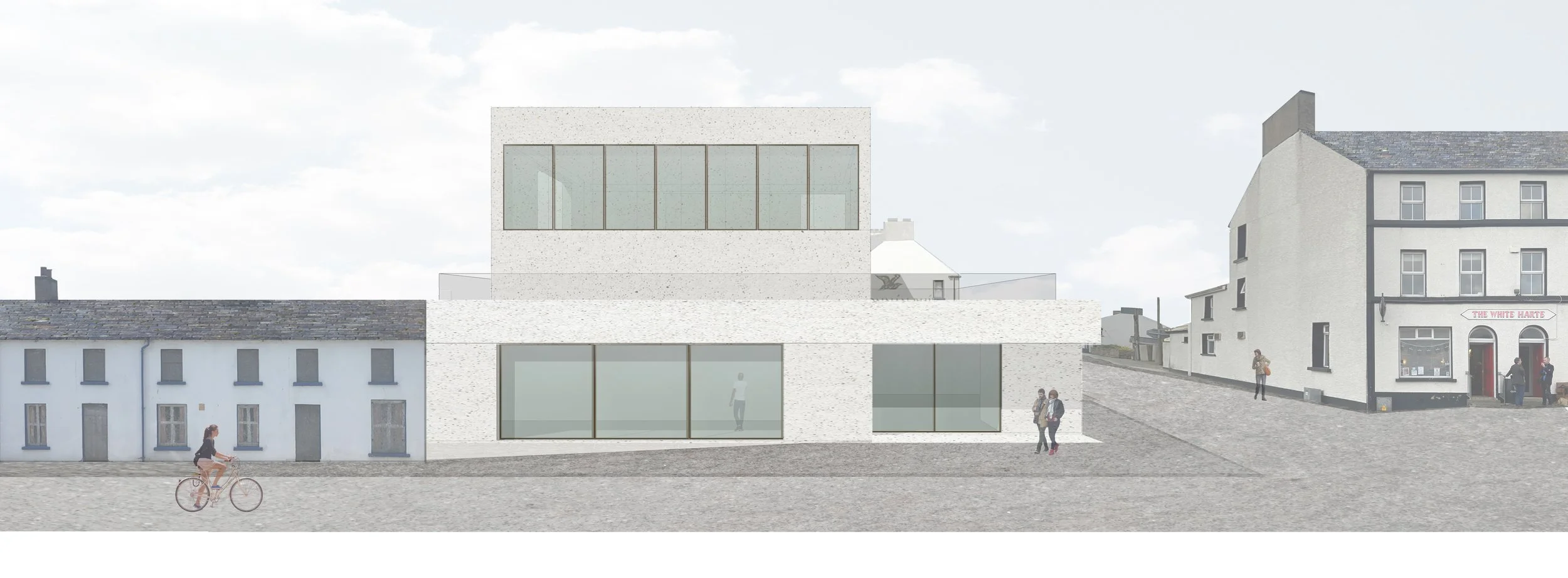
The result is a carefully composed visitor experience that integrates heritage interpretation, sustainable tourism architecture, and landscape-led design, demonstrating how contemporary architecture can enhance rather than obscure the cultural and ecological depth of sensitive rural and urban-edge settings.